
Adventists have long asked what could finally bring real accountability and meaningful change in the SDA Church. Now one local church has shown how. And you need to hear about it!
For years, concerned Adventists have written articles, signed petitions, circulated open letters, contacted leaders, preached sermons, and appealed for action on LGBTQ-related institutional matters across the North American Division—yet without real accountability or meaningful change.
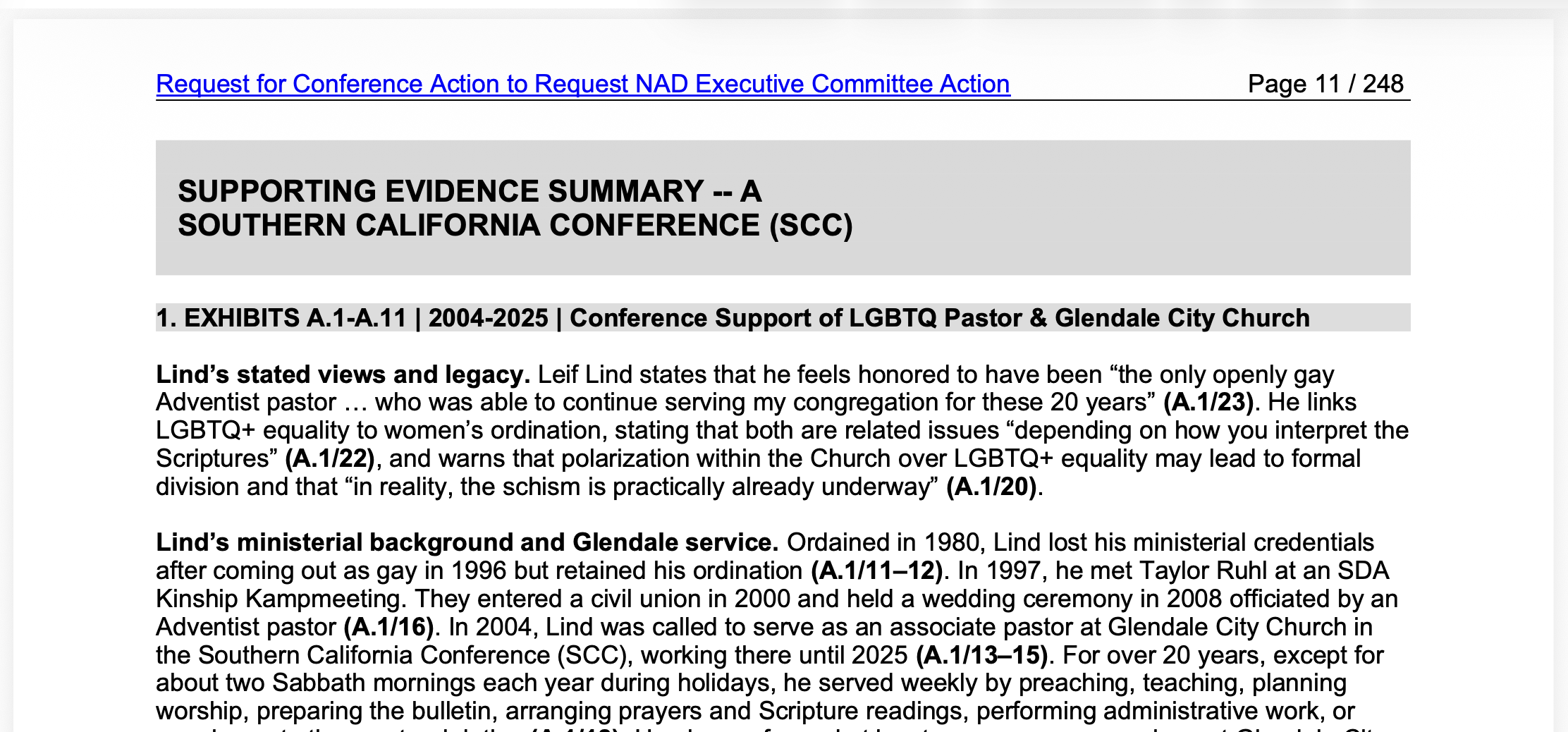
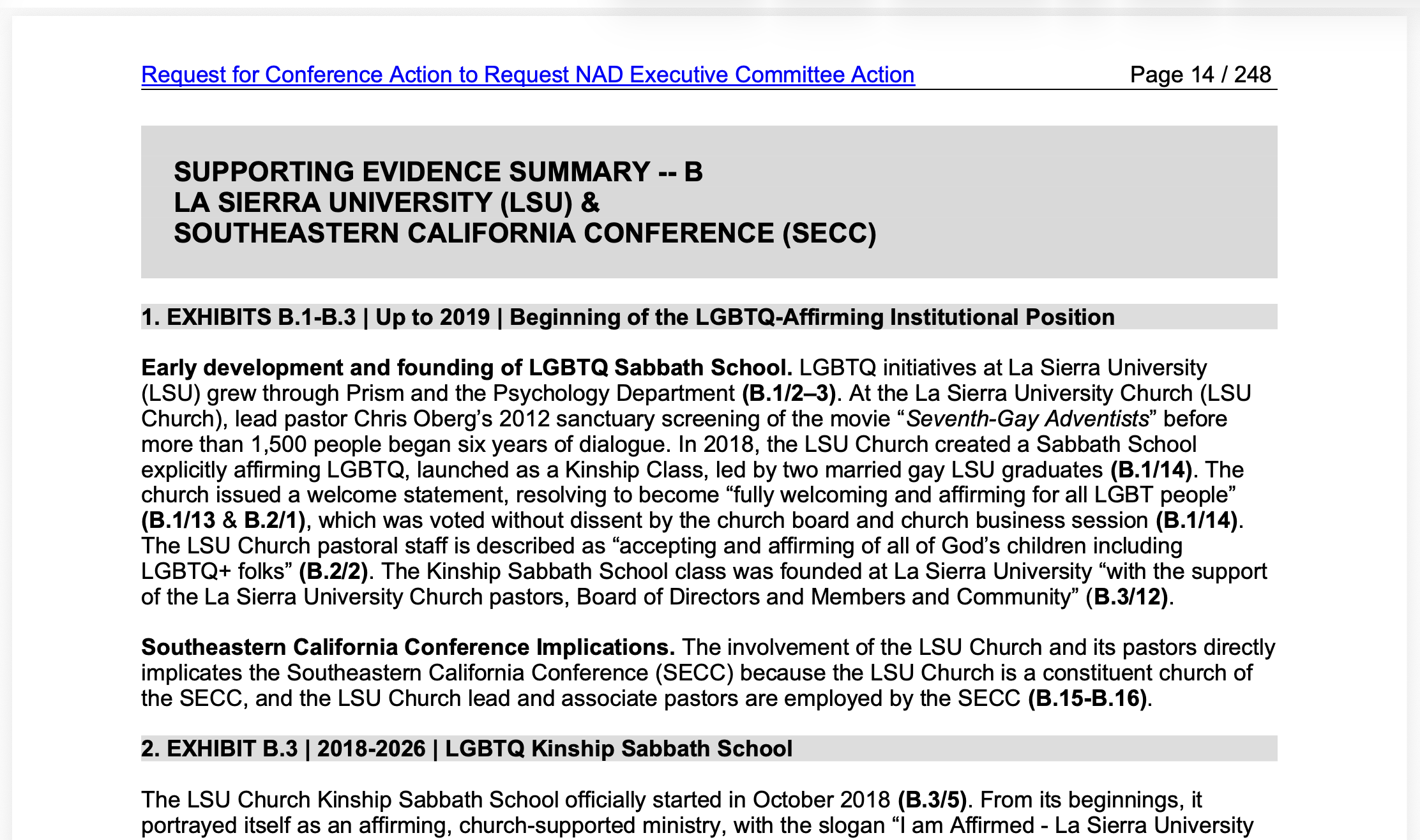
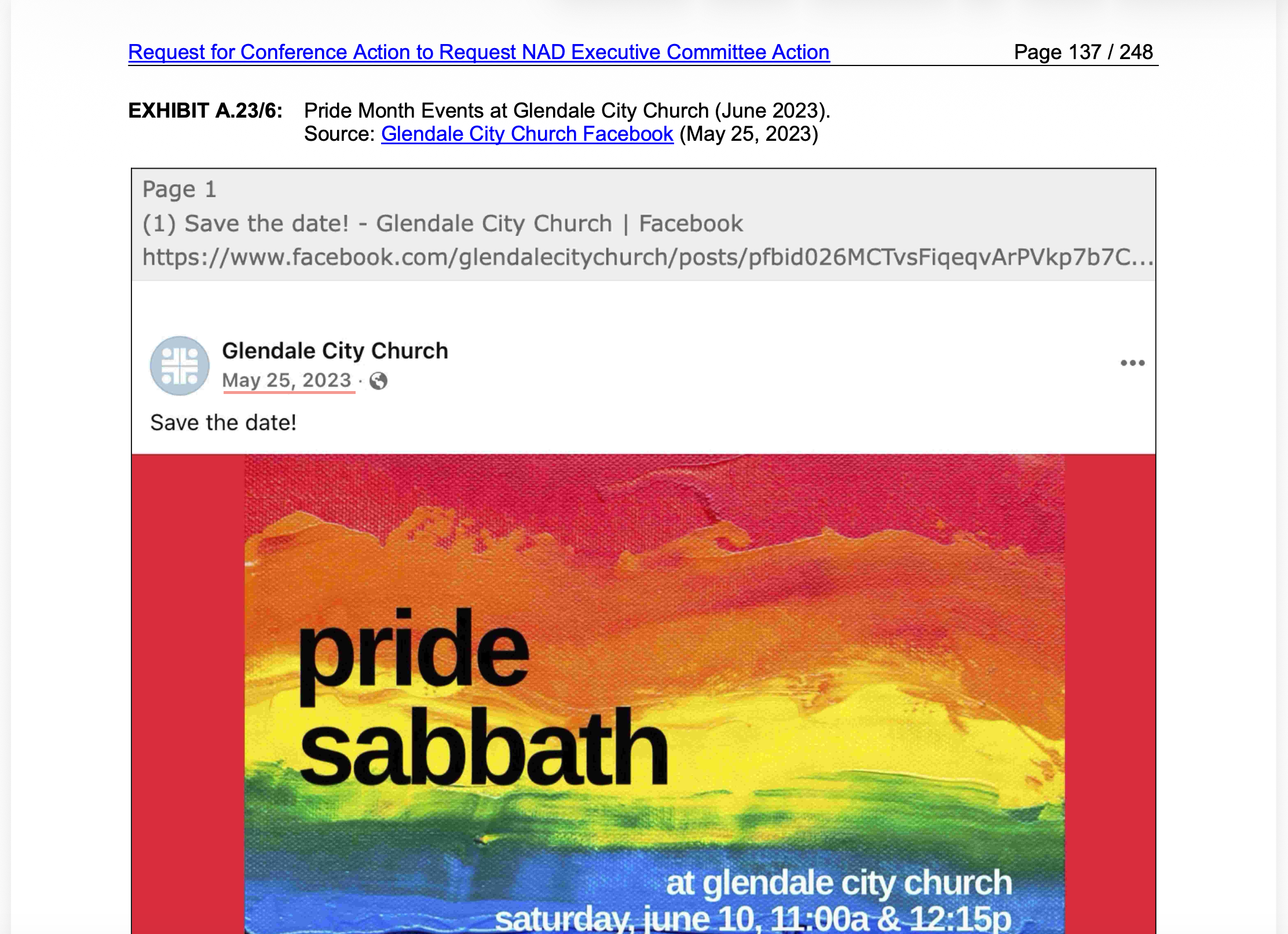
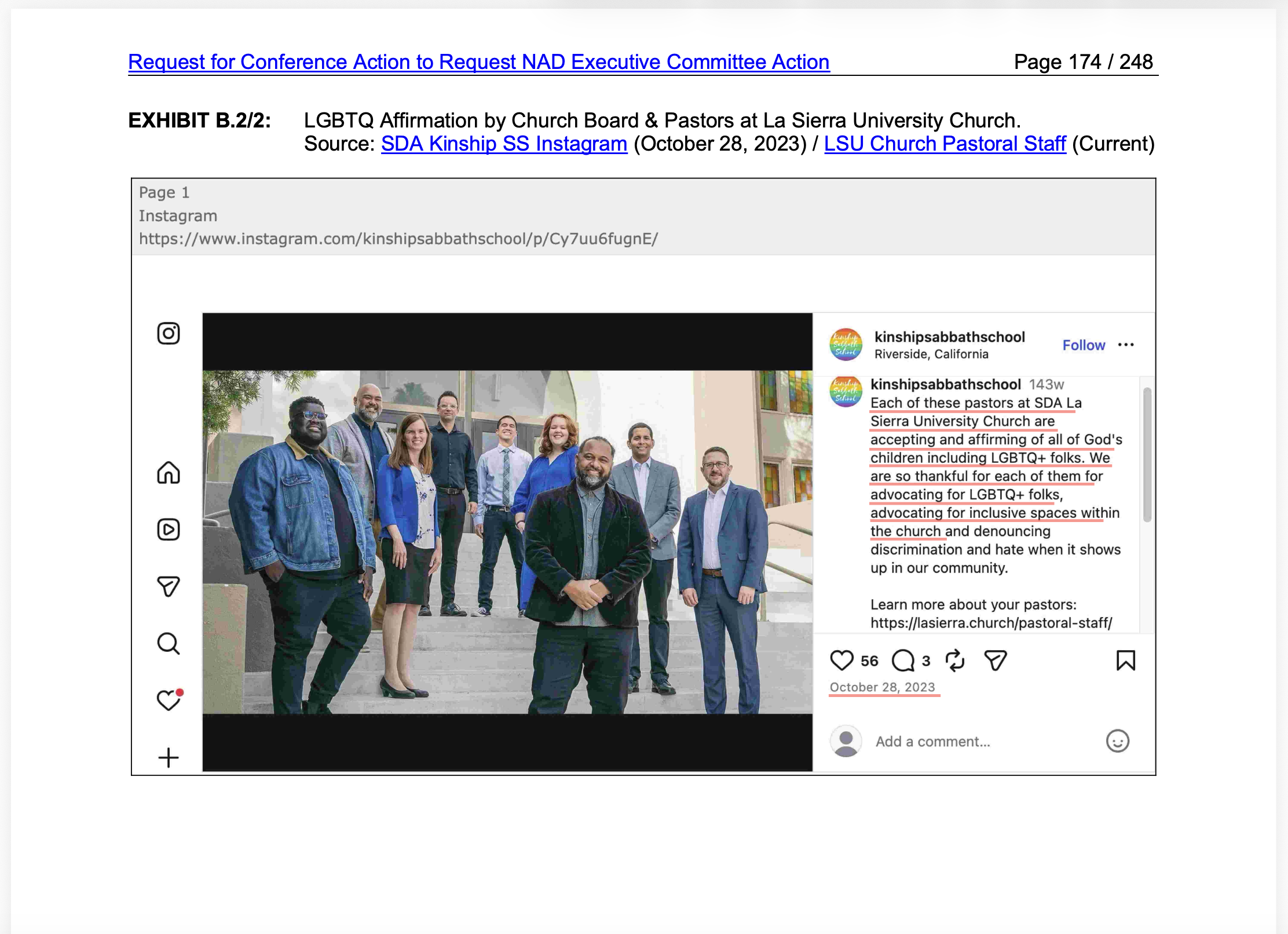
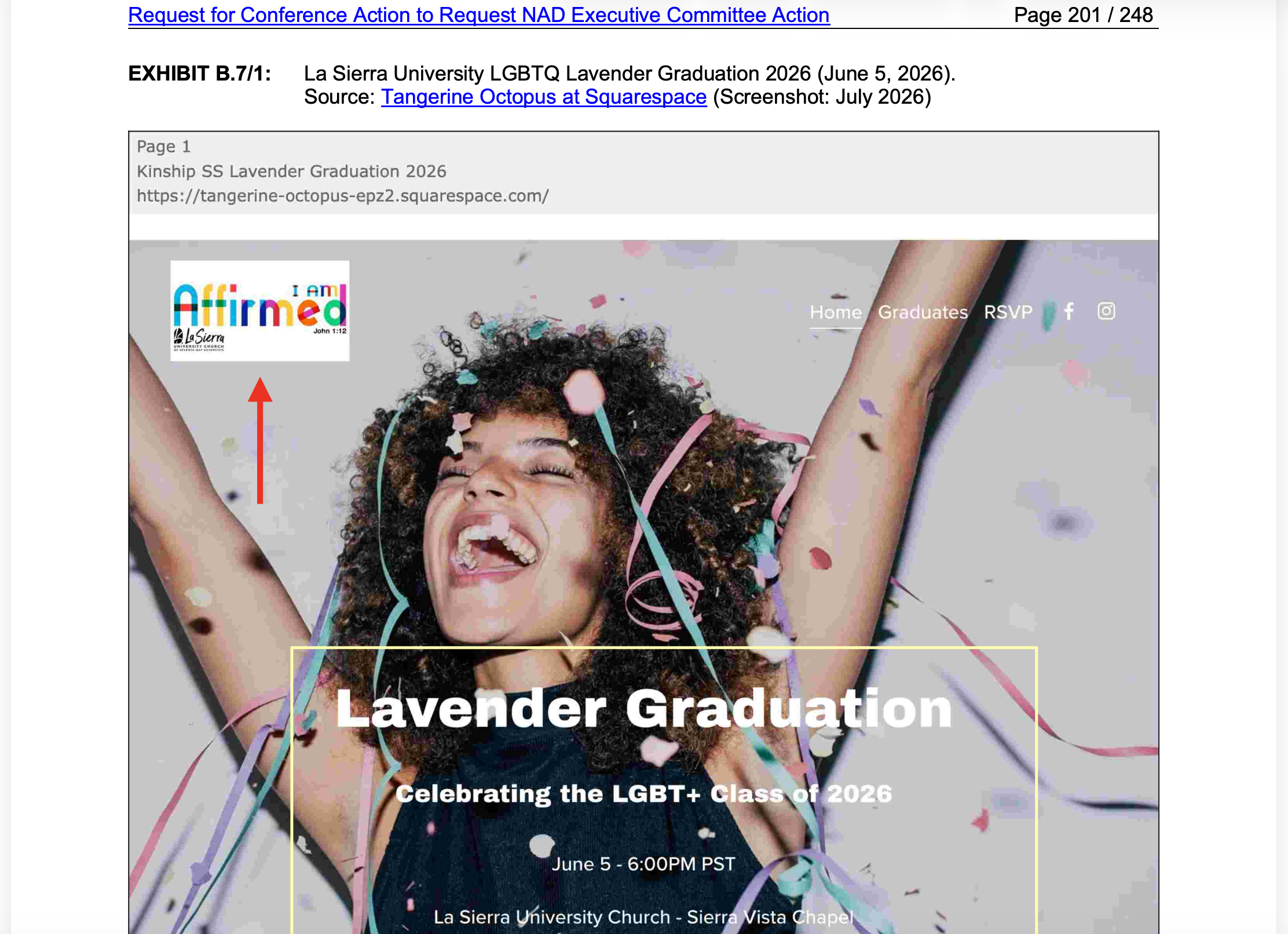
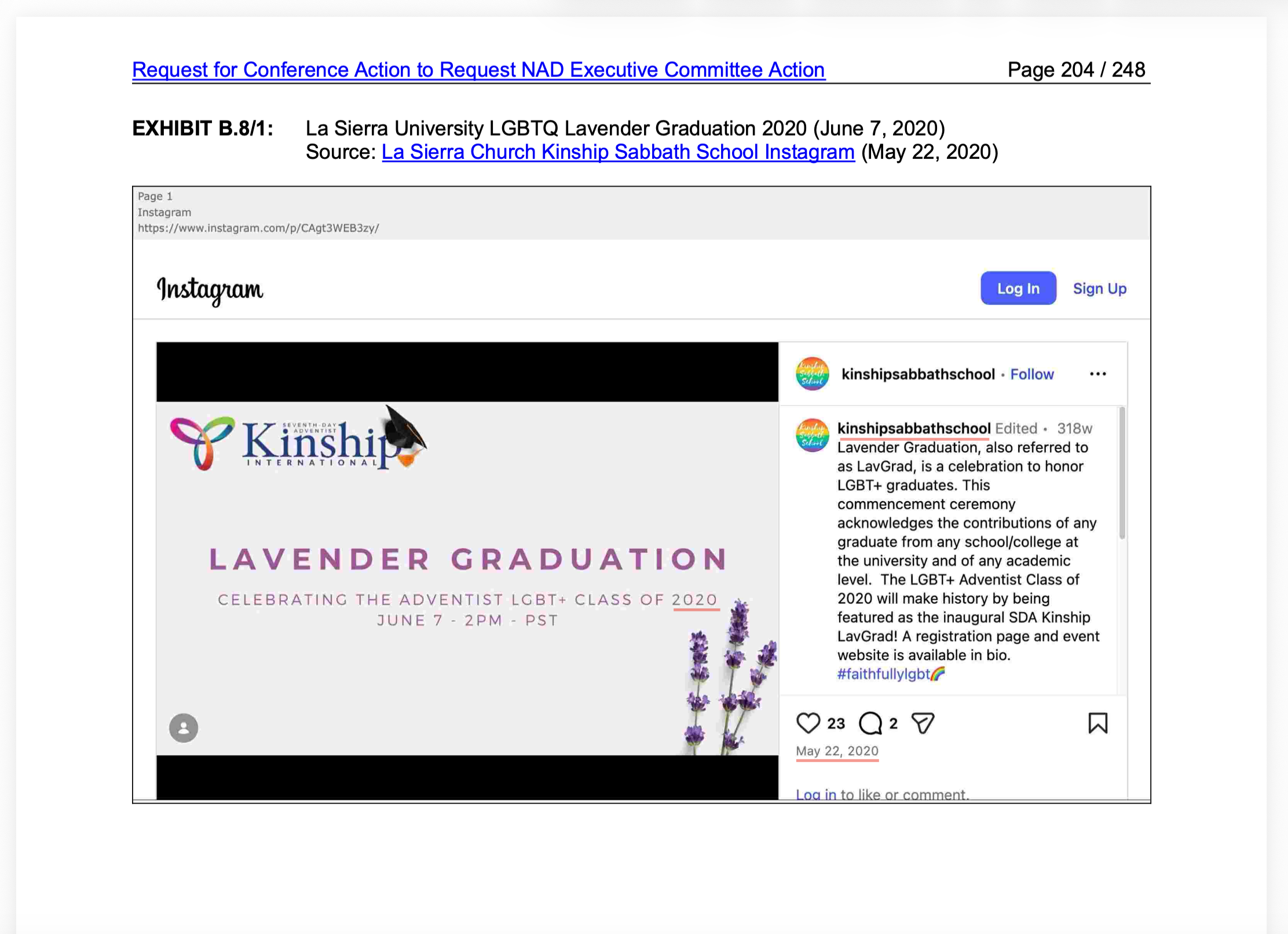
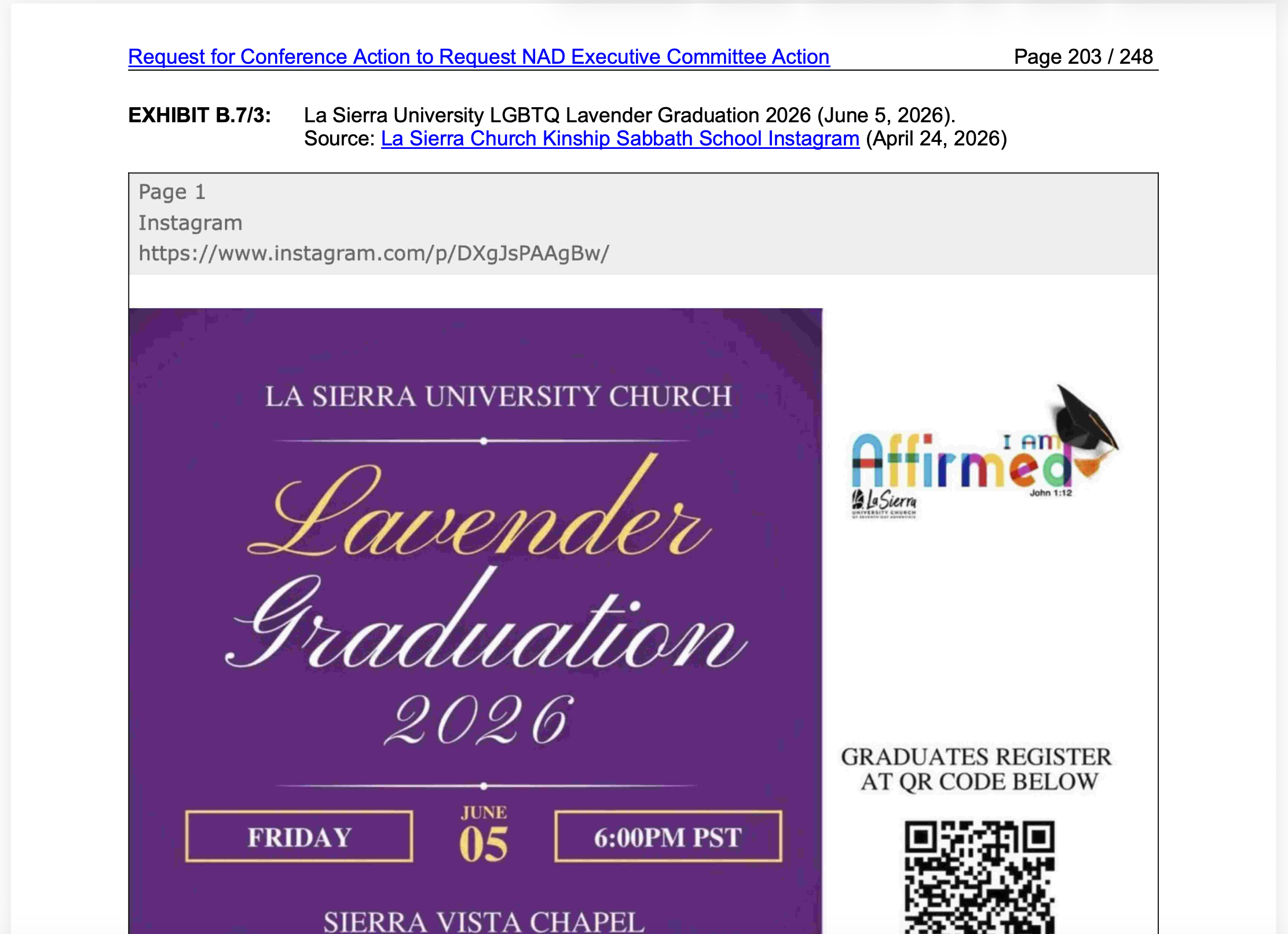
Meanwhile, concern has intensified with reports of Lavender Graduations, LGBTQ-affirming and Pride Month-celebrating churches, a pastor serving for decades while in a same-sex relationship, and more within the NAD. For many, the conclusion has become unavoidable: This cannot continue. Something must change. Soon!
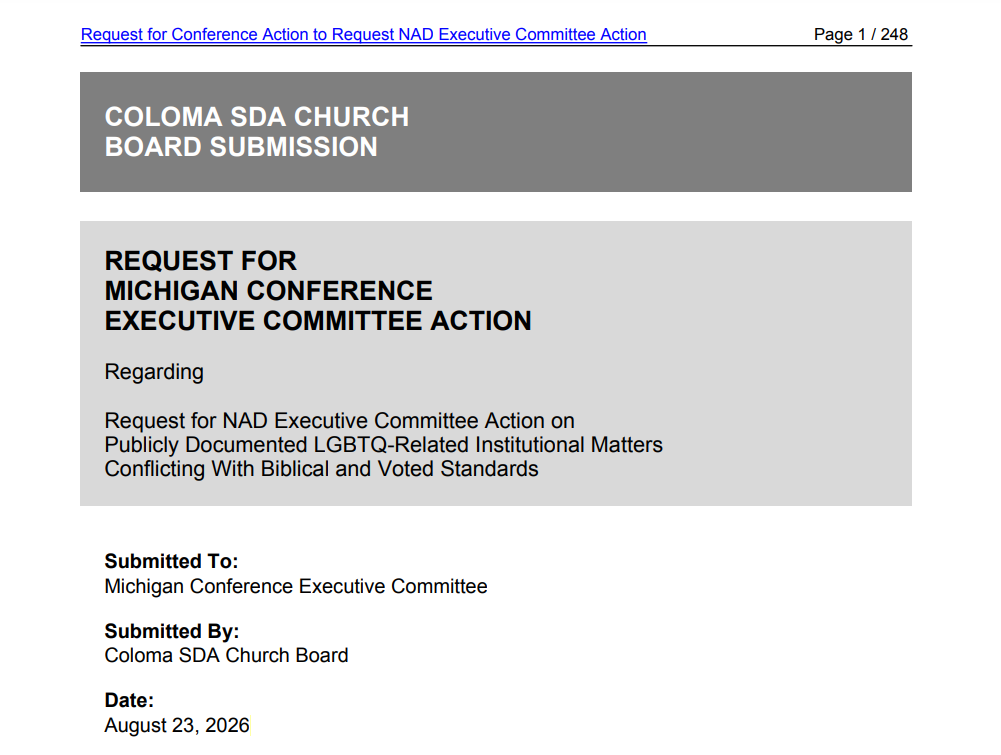
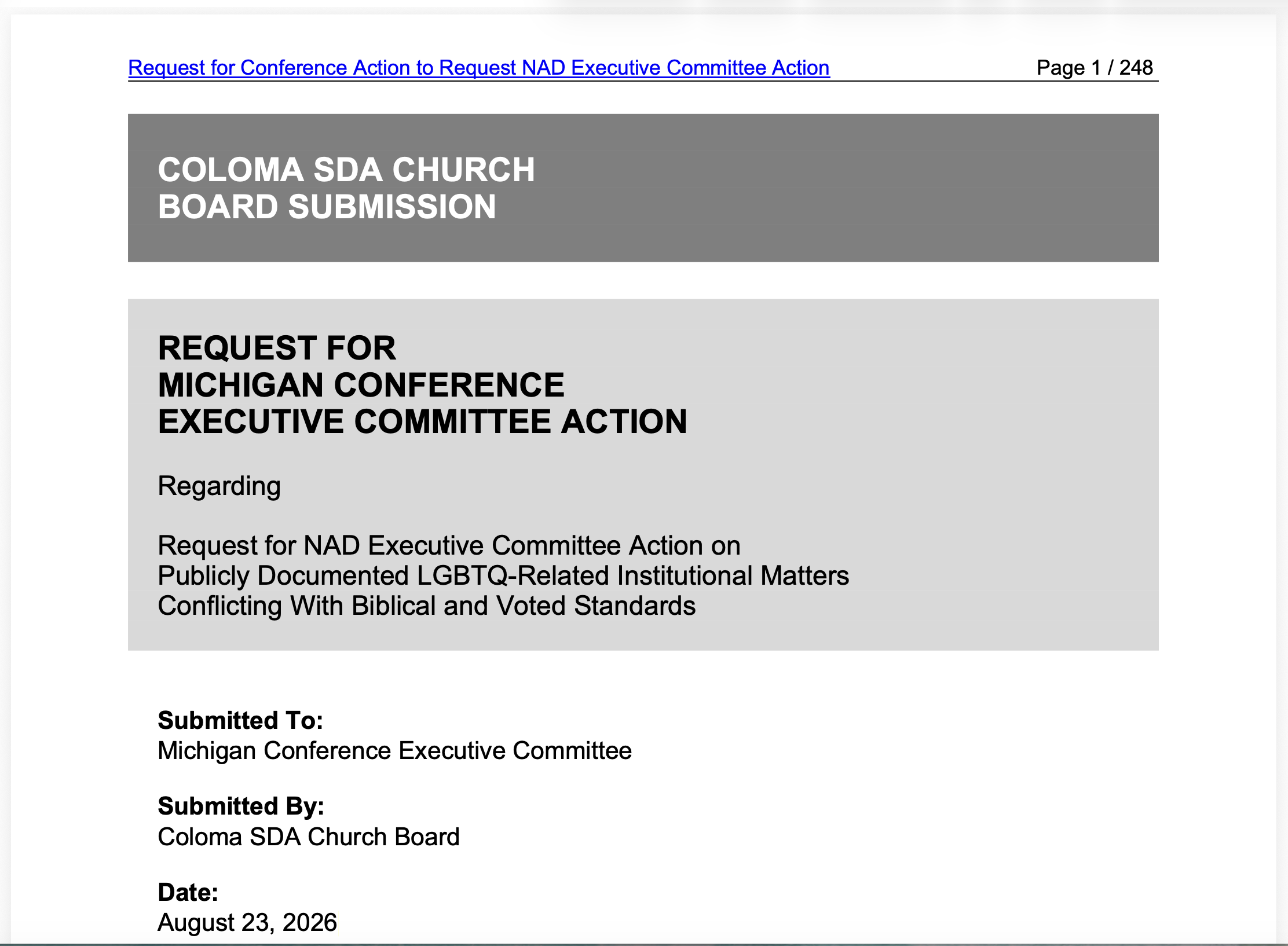
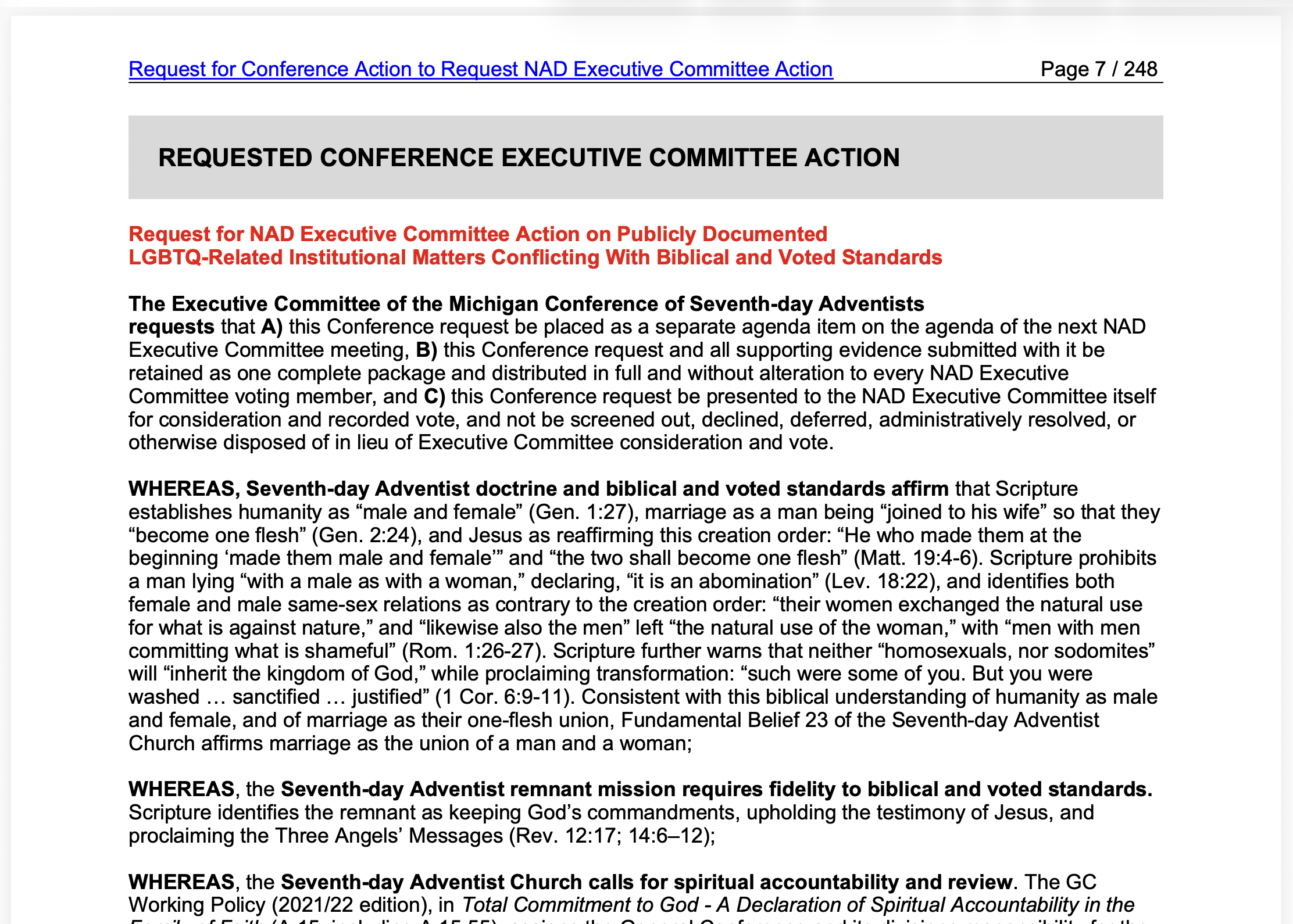
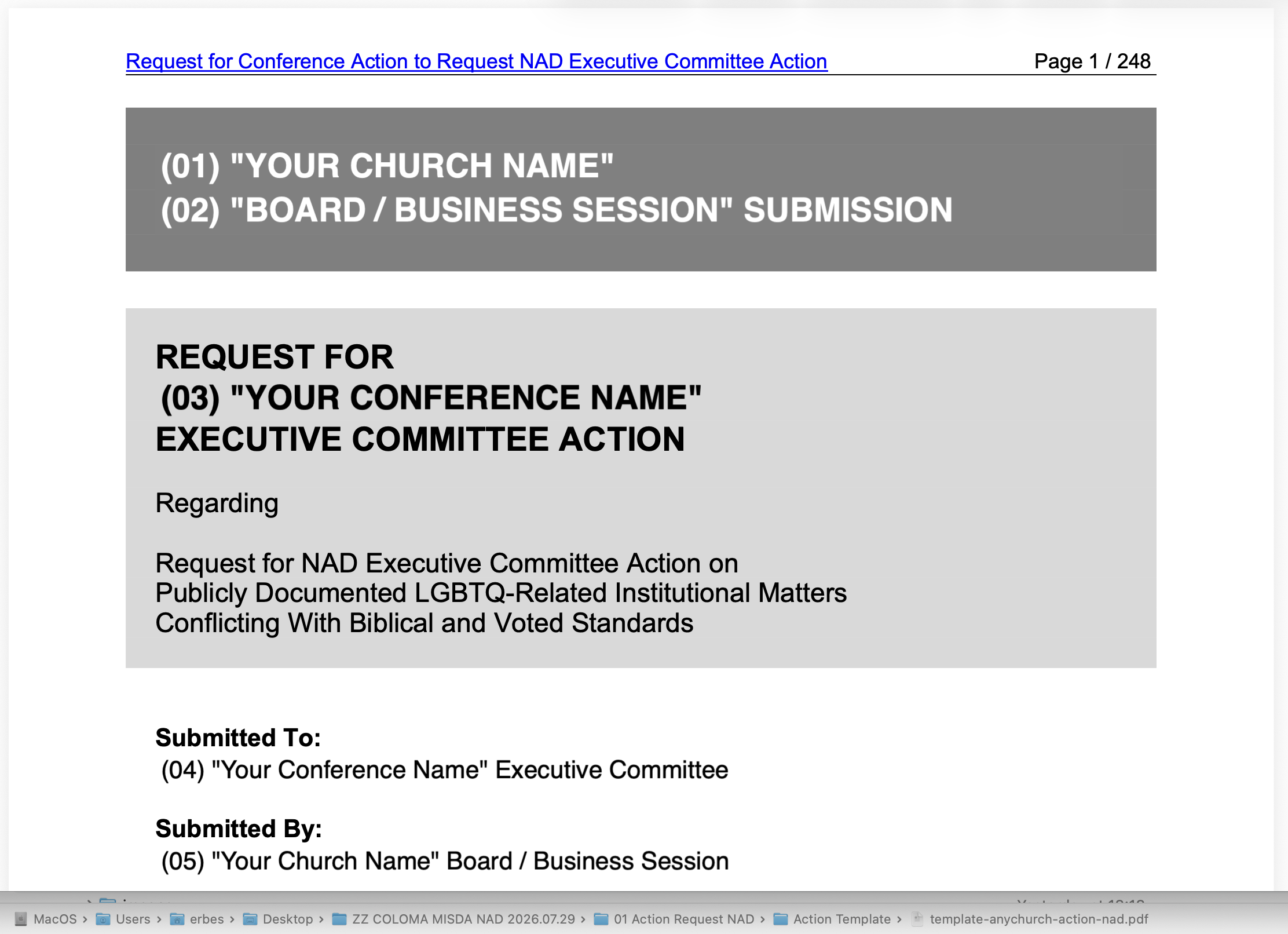
In late August 2026, the Coloma SDA Church in Michigan did something unusual and potentially historic: it took formal action through the Church’s governance structure. In doing so, Coloma showed how local churches can formally place these concerns before their conferences and seek action carrying them to the NAD. What Coloma has done can now be replicated across the Division with a ready-to-use template for any local church.
Why This Is Different
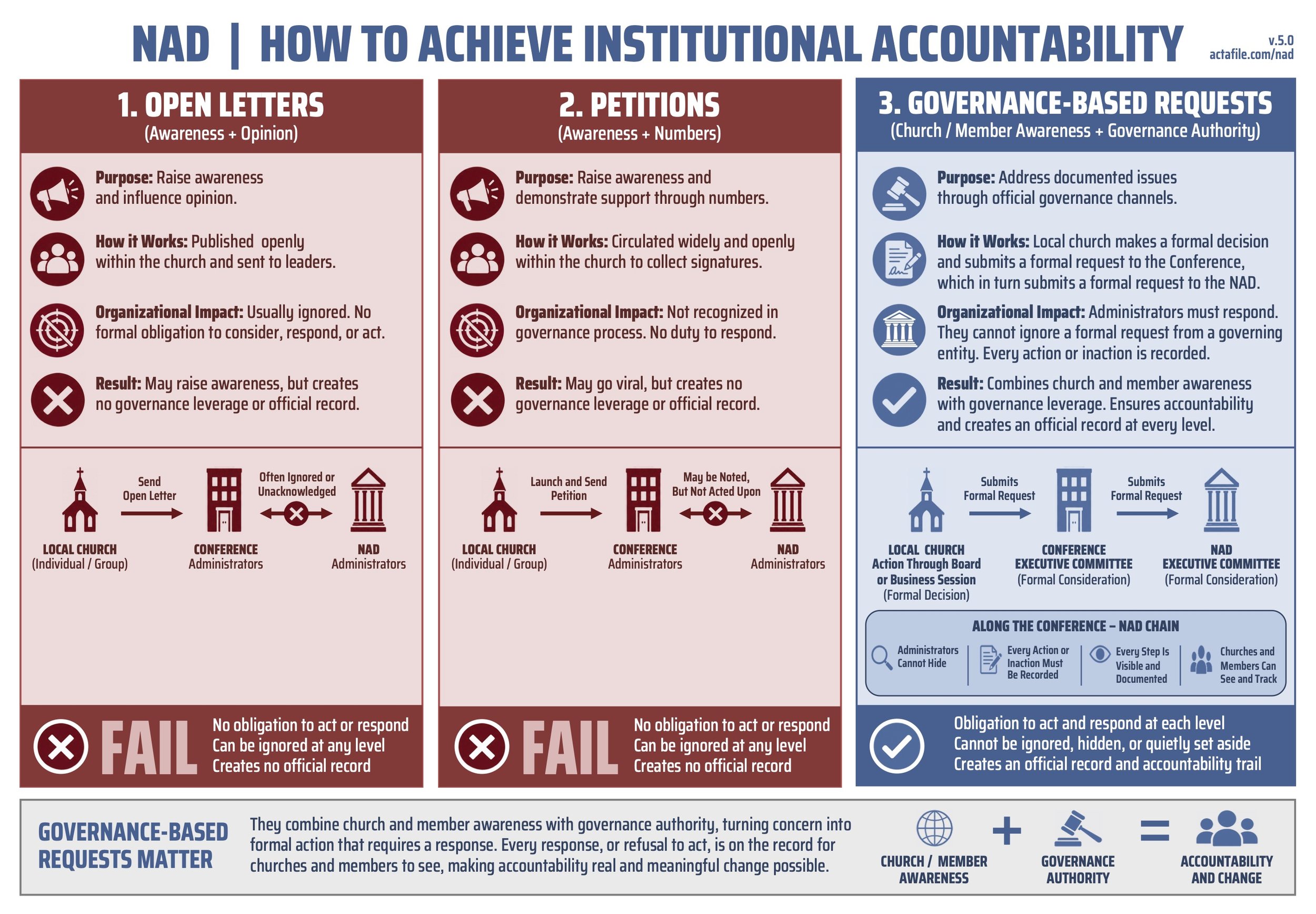
Articles inform. Petitions appeal. Open letters persuade. Sermons warn. But formal church action does something different: it enters the governance process.
A local church is no longer merely asking leaders to notice a concern. It is formally placing a defined request before its Conference Executive Committee and asking that committee to act. Because the conference has official representation on the NAD Executive Committee, that accountability has a direct path upward.
That changes the nature of accountability. A formal action from a constituent church cannot simply be ignored, buried, or quietly avoided like an article, petition, or open letter. It calls for formal consideration and response. The committee can adopt it, reject it, modify it, or decline to act—but what it does becomes part of the accountability. The Conference is also expected to report back to the submitting church on how its request was handled.
The issue is no longer merely somewhere “out there” in the NAD. It becomes a governance question inside the conference itself, with every committee member called to consider the evidence, determine where they stand, and decide what the Conference will do.
The question is no longer simply, “Have you heard about this?” but “What will you, as a committee, do - and what will you tell the church that formally asked you to act?”
What Accountability Would Require
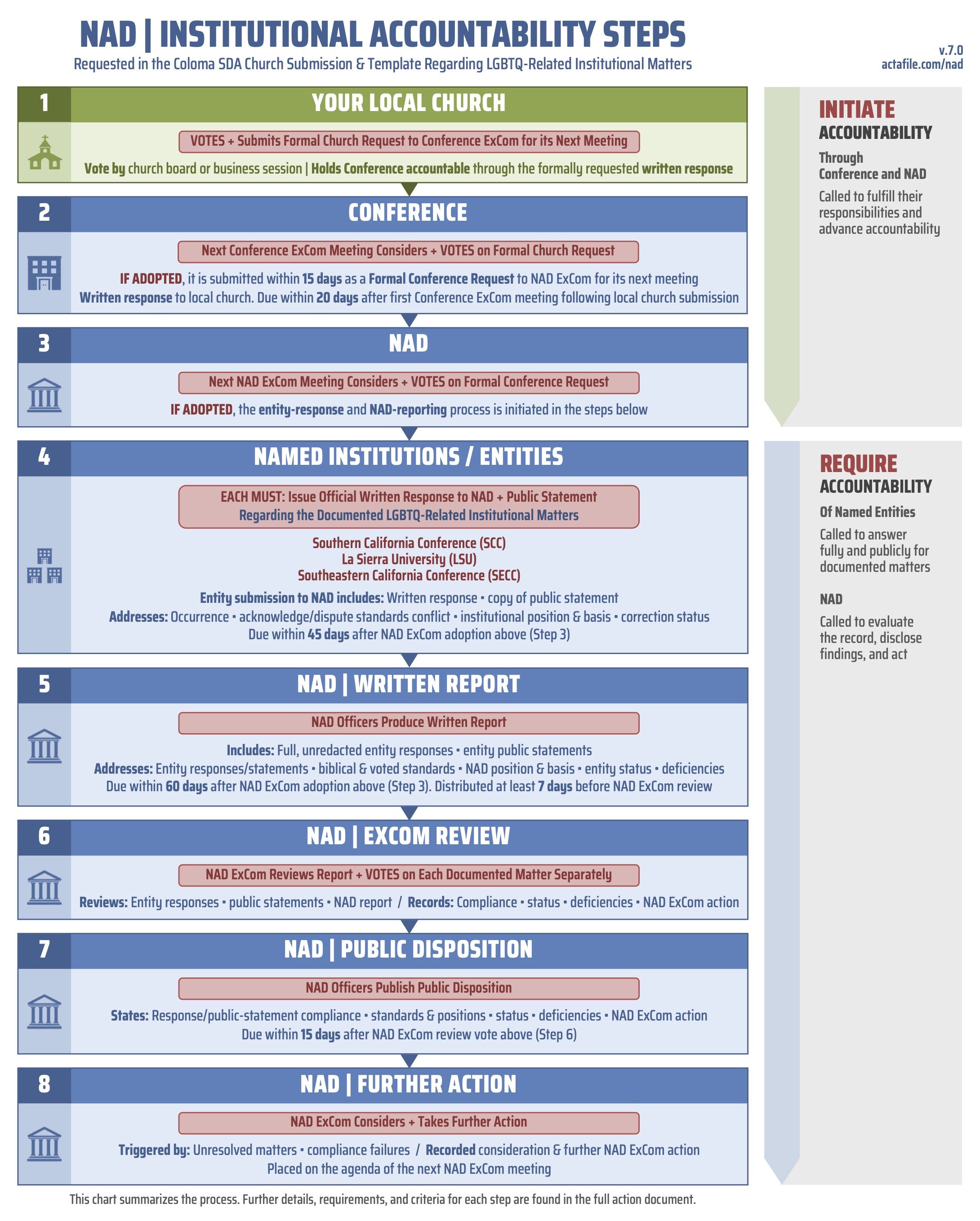
The accountability being requested in the submission is detailed and specific. If adopted by the NAD Executive Committee, the Southern California Conference (SCC), La Sierra University (LSU), and Southeastern California Conference (SECC) would be required to provide official written responses to the NAD and issue public statements addressing the documented matters, applicable standards, their institutional positions, and whether each matter is corrected, unresolved, continuing, or will not be corrected.
NAD Executive Officers would prepare an itemized written report, the NAD Executive Committee would consider and vote on each matter separately, and the NAD would publicly report the disposition. Unresolved matters, deficiencies, or deadline failures would return to the Executive Committee for further action.
The full submission sets out the complete requested accountability protocol, including response requirements, deadlines, reporting, voting, public disposition, and follow-up.
The Evidence Is There to Examine
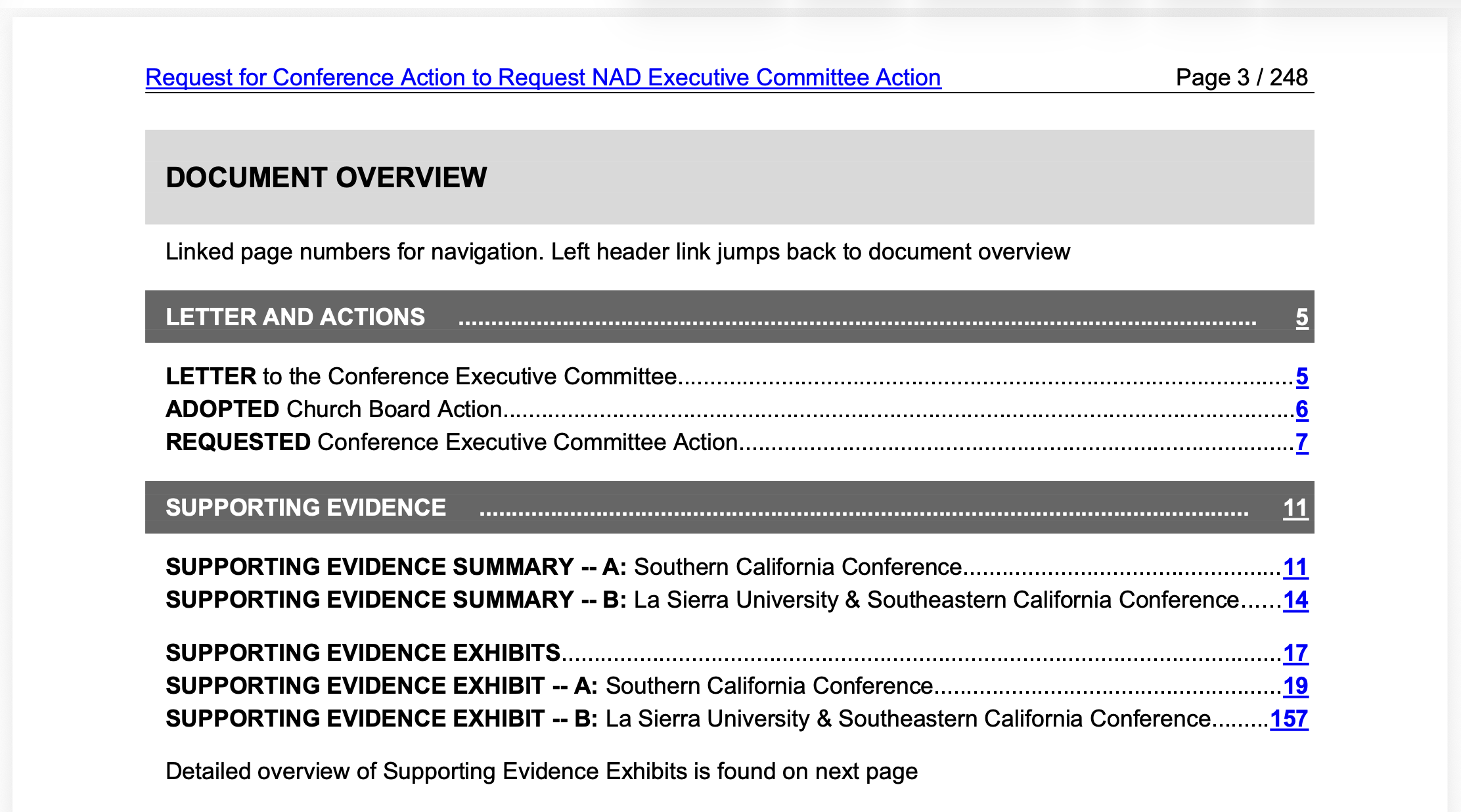
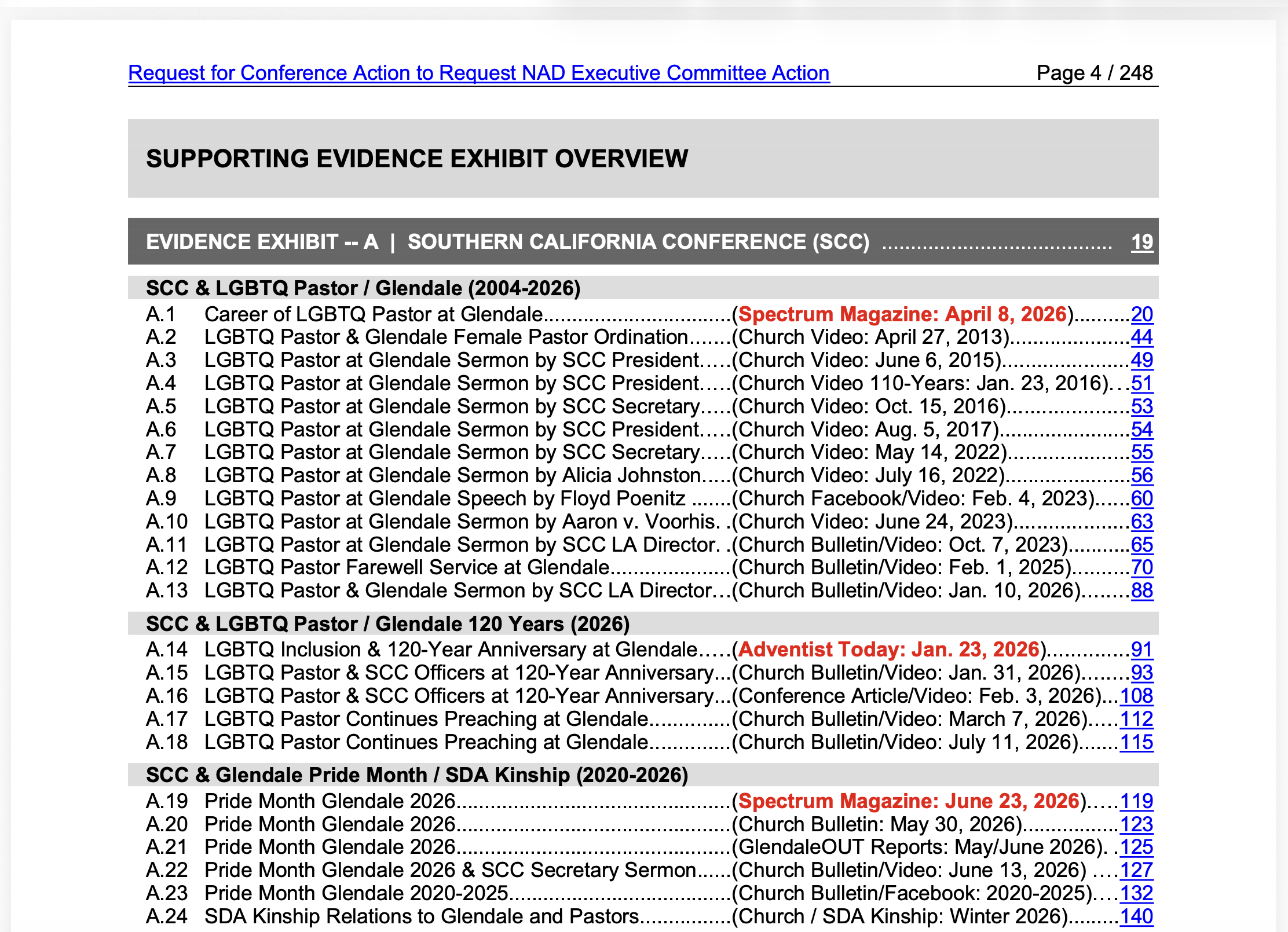
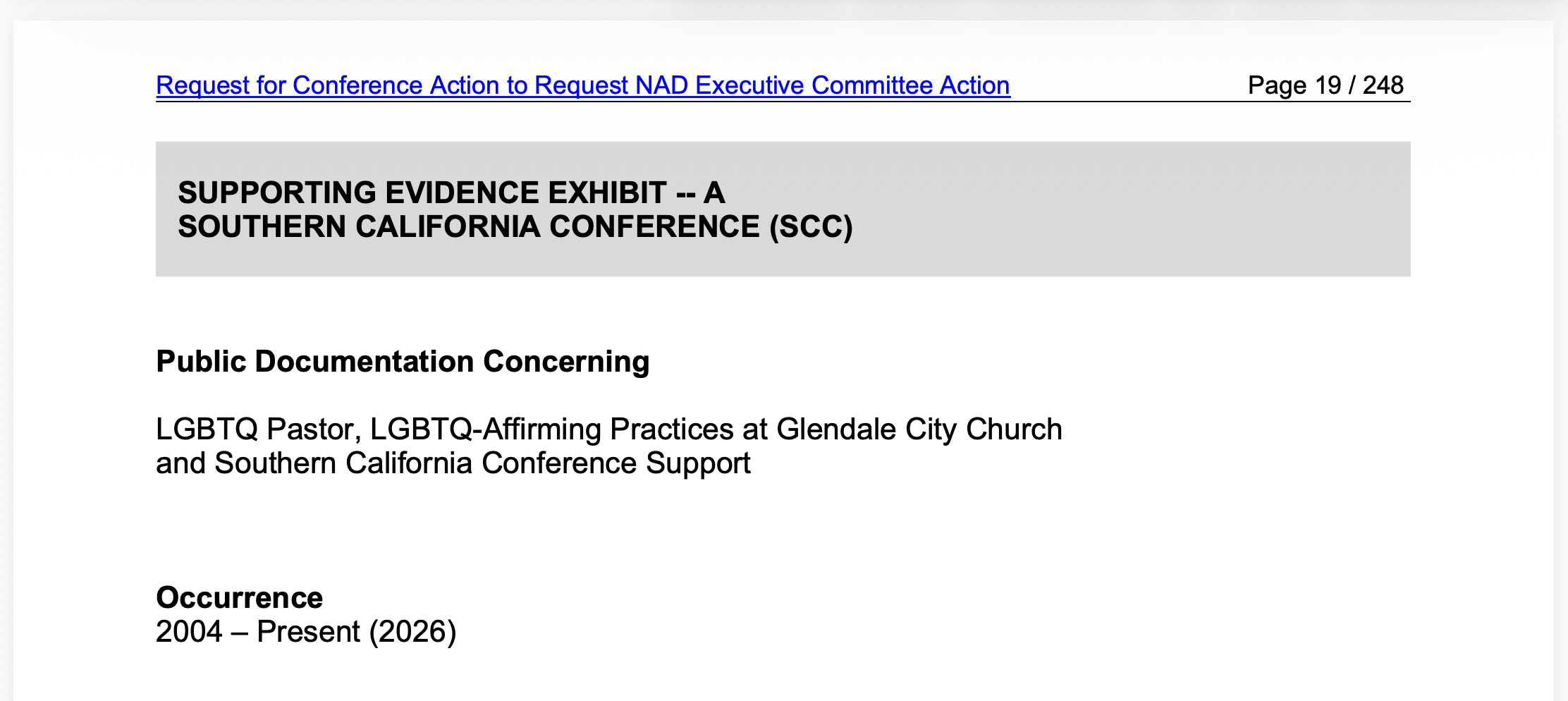
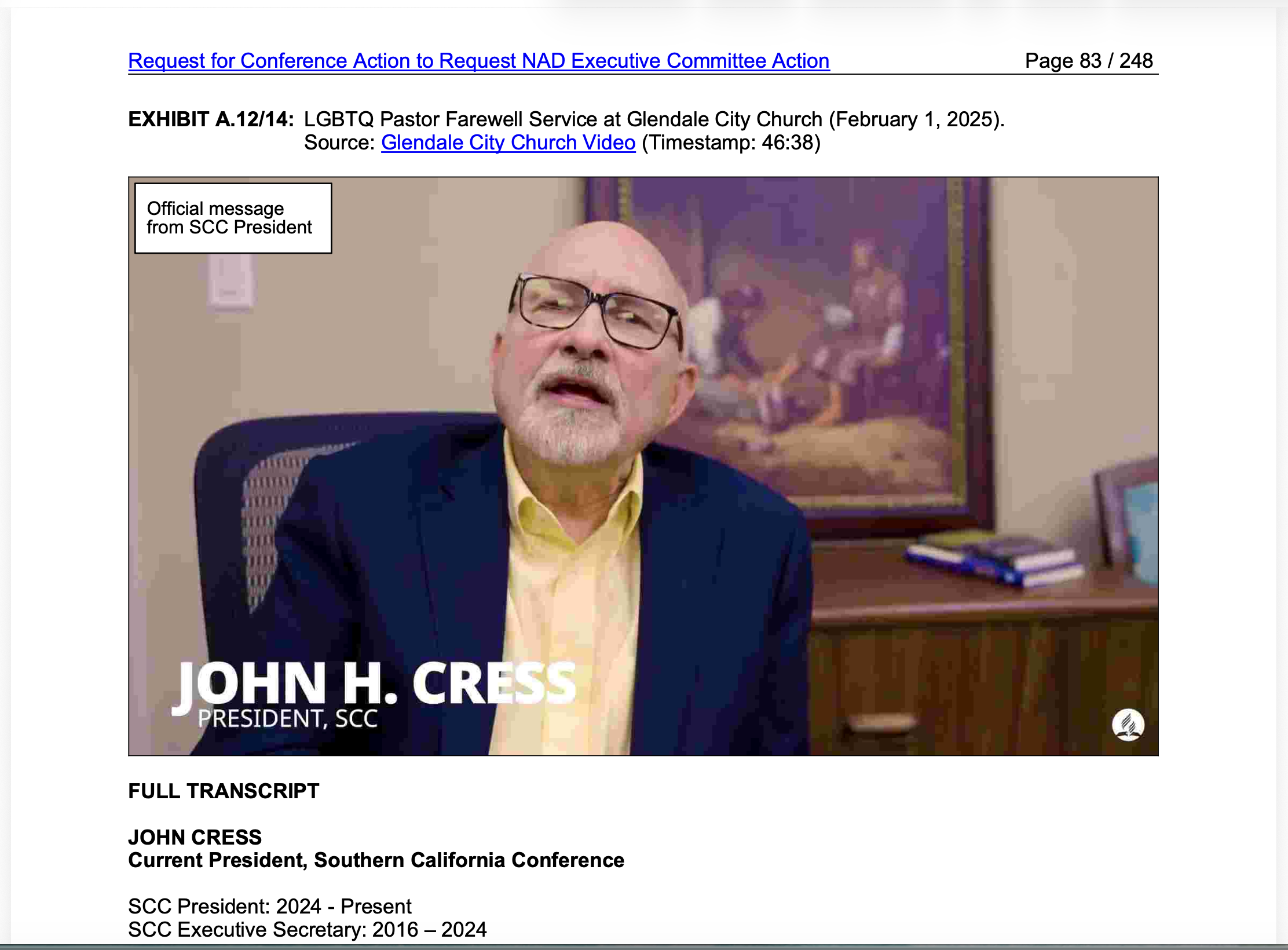
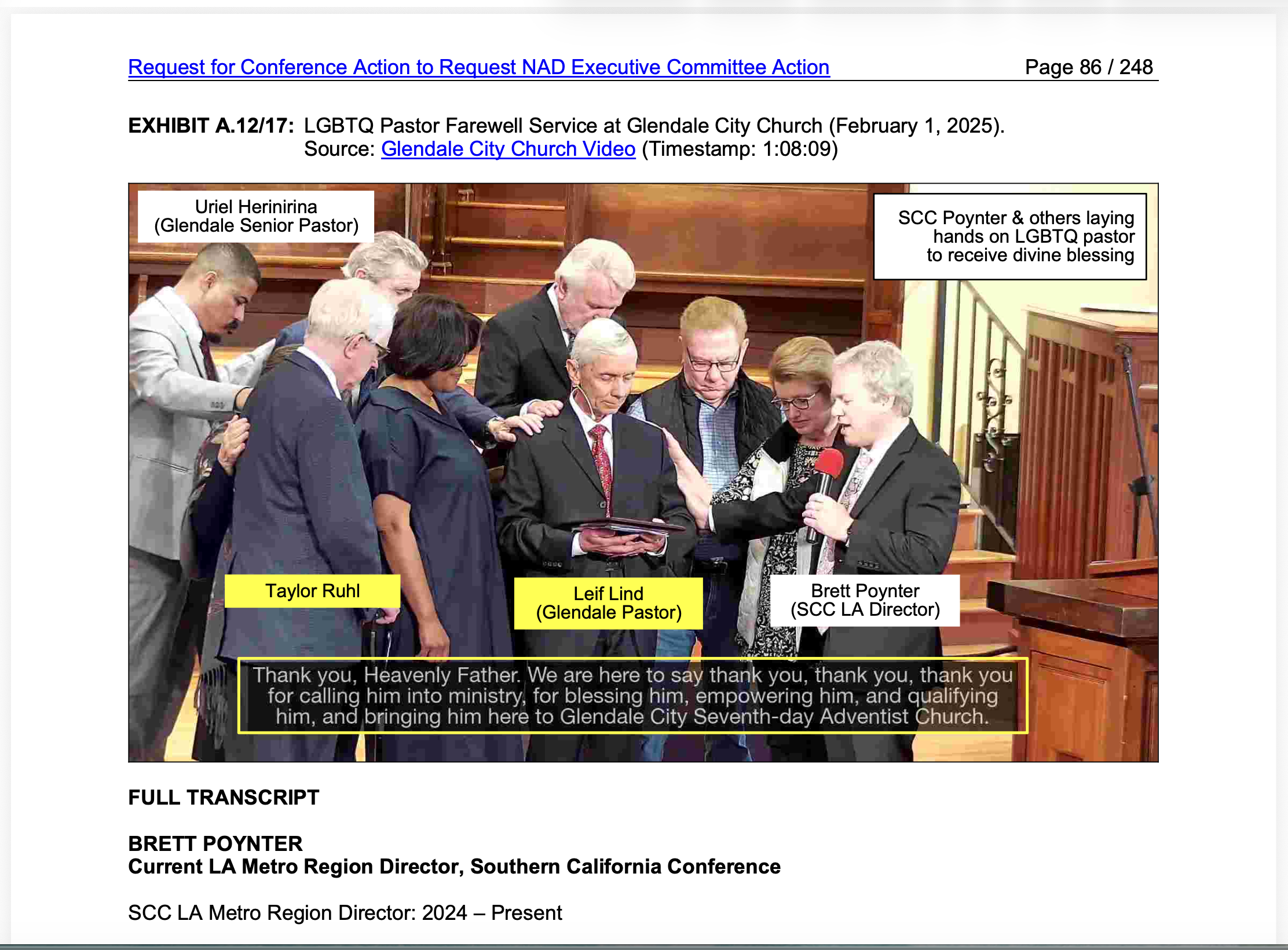
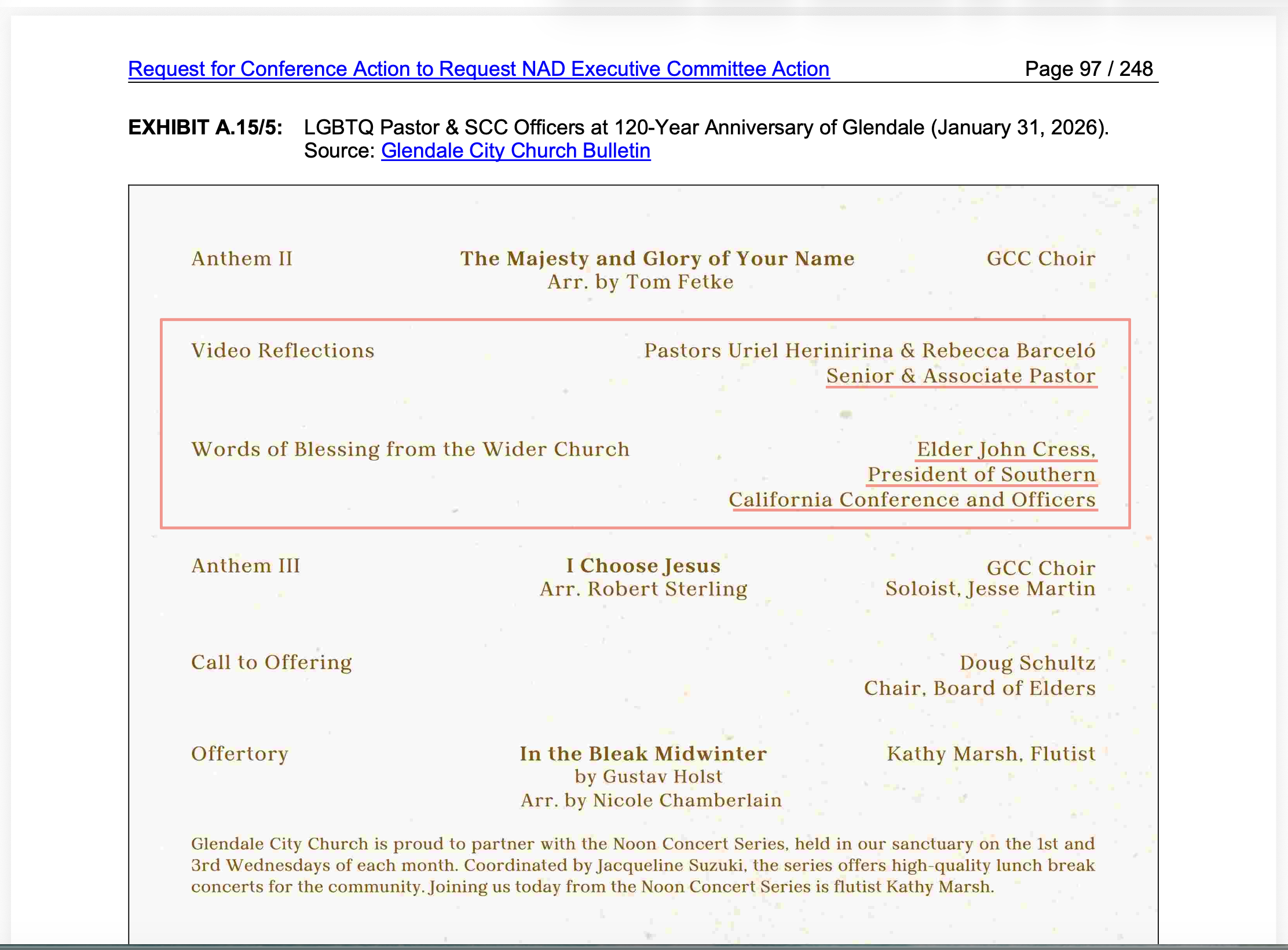
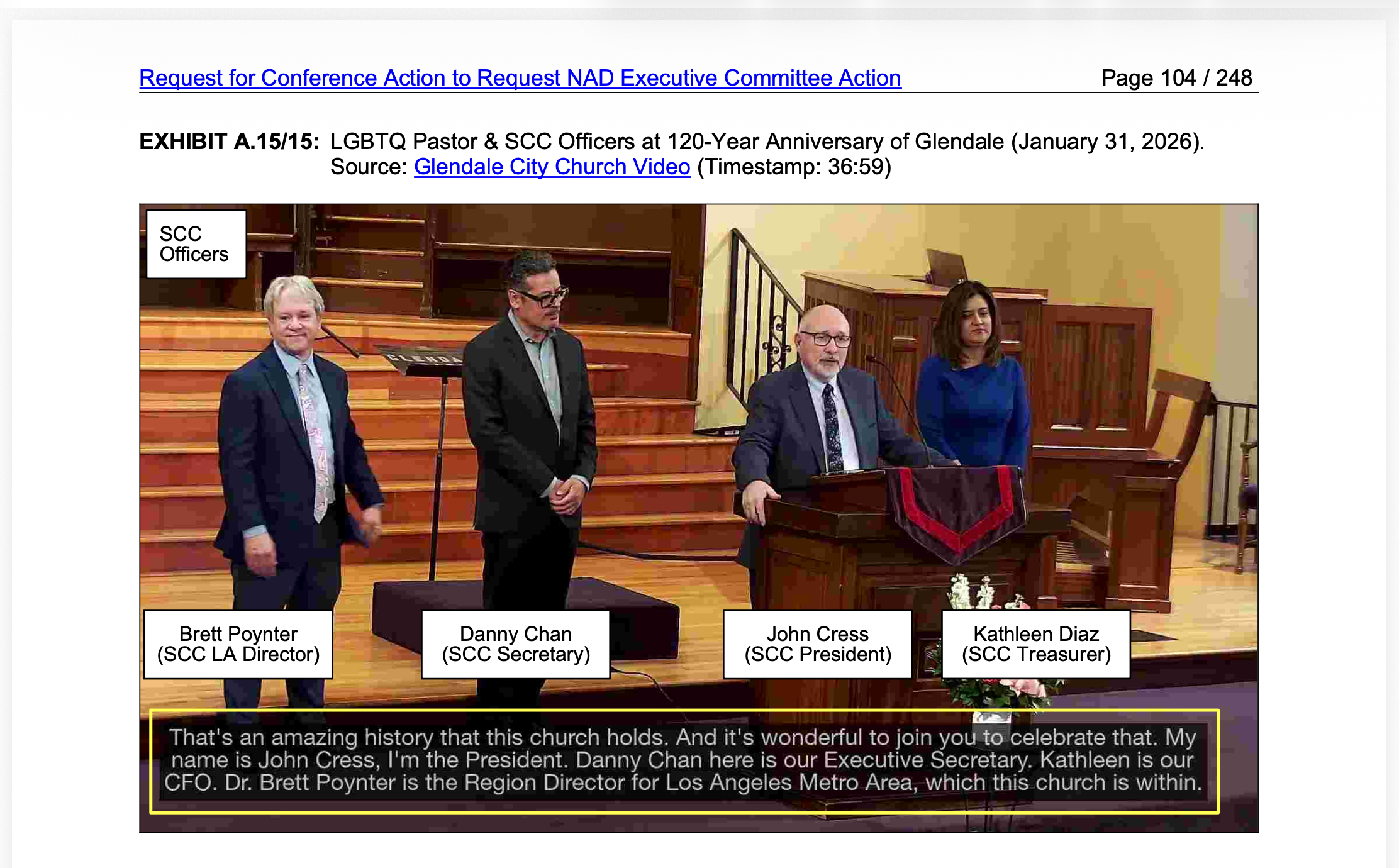
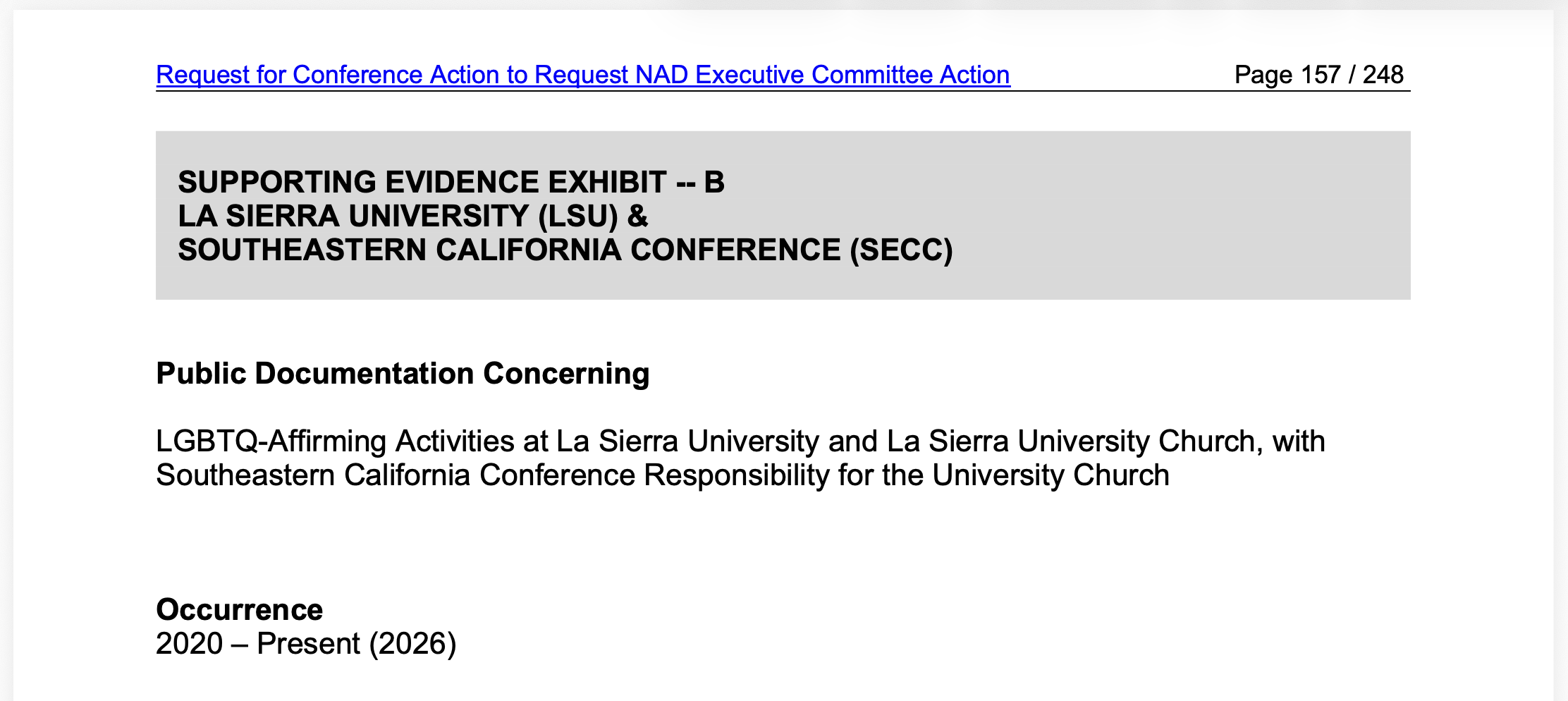
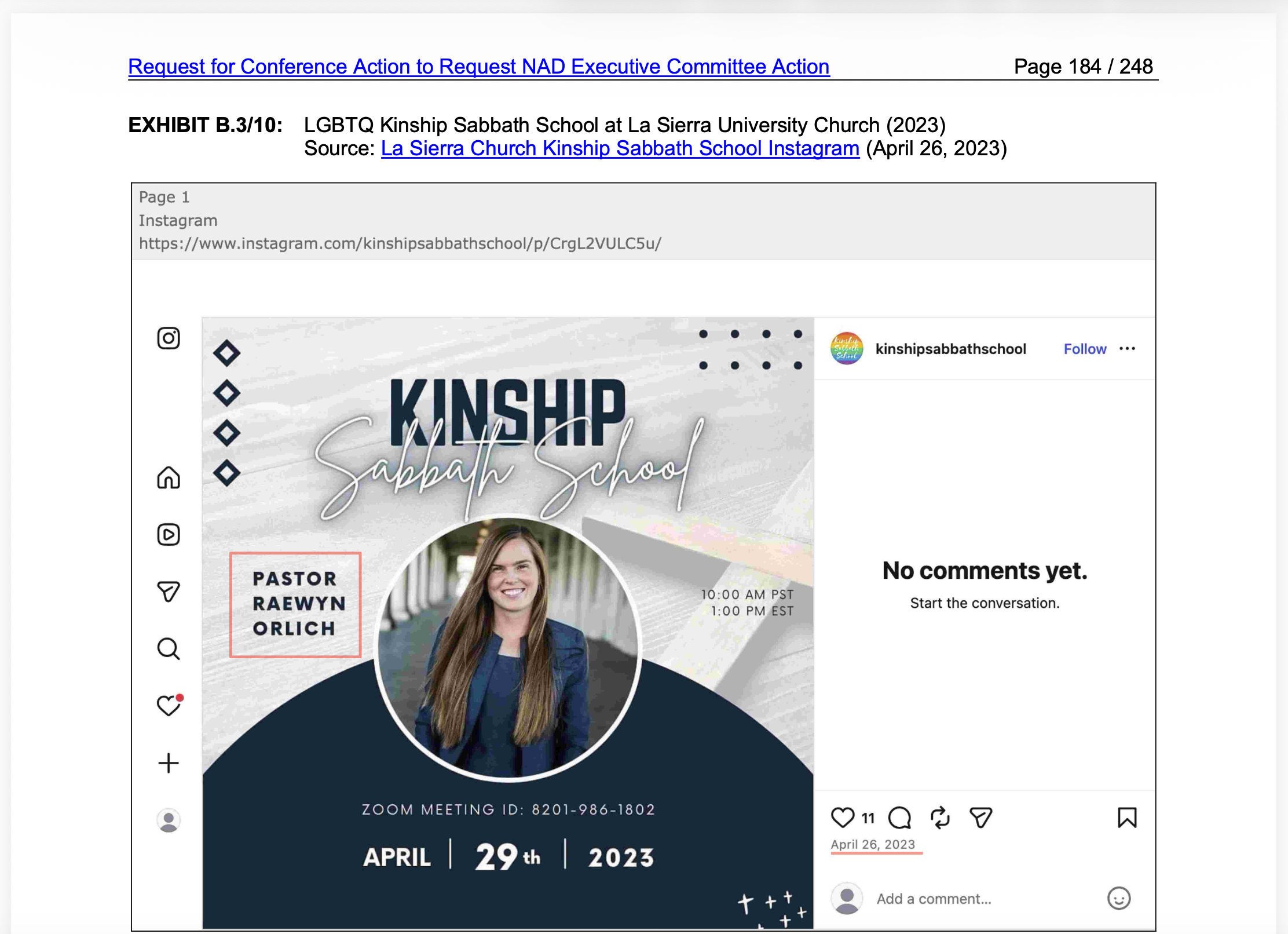
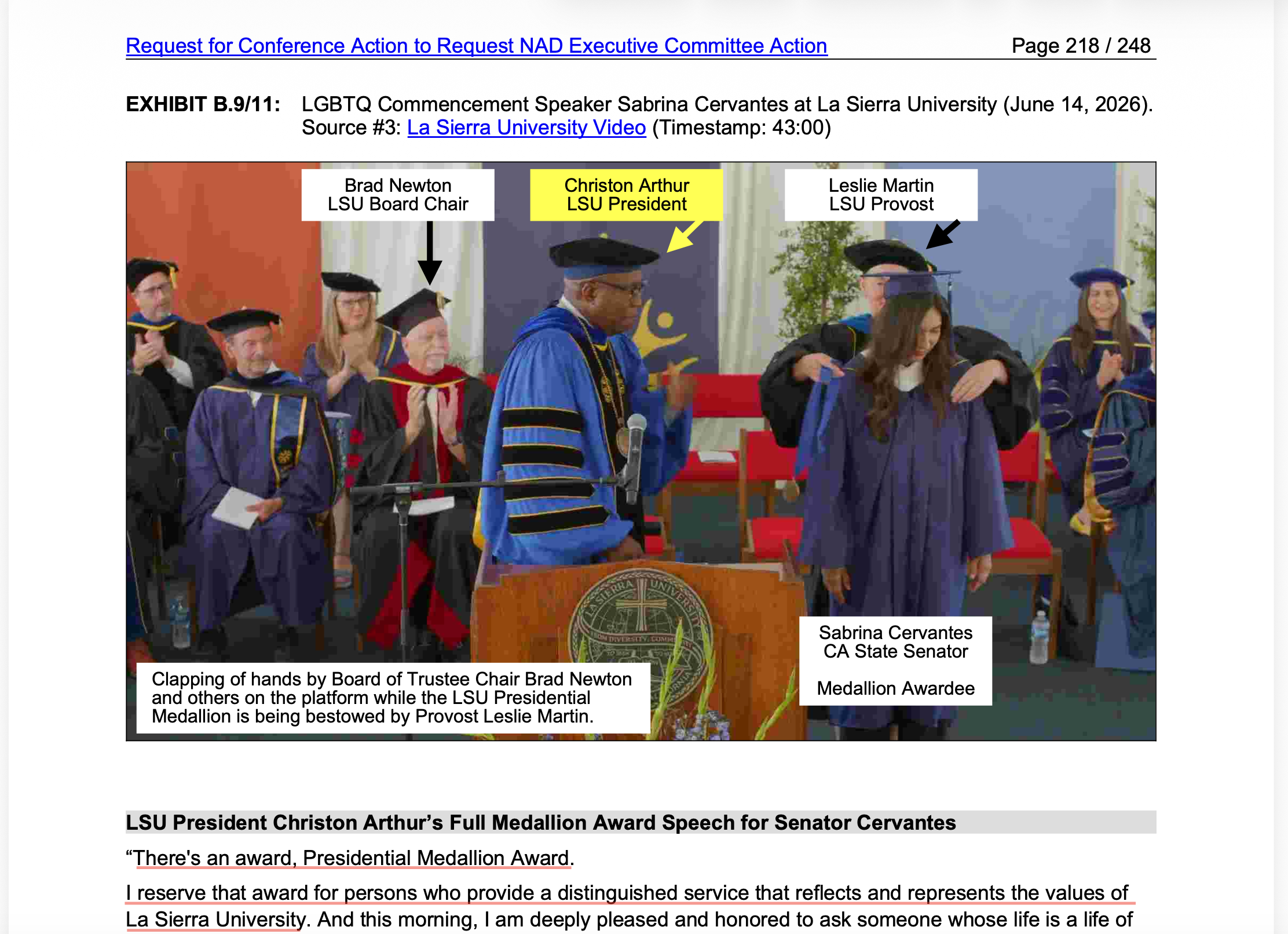
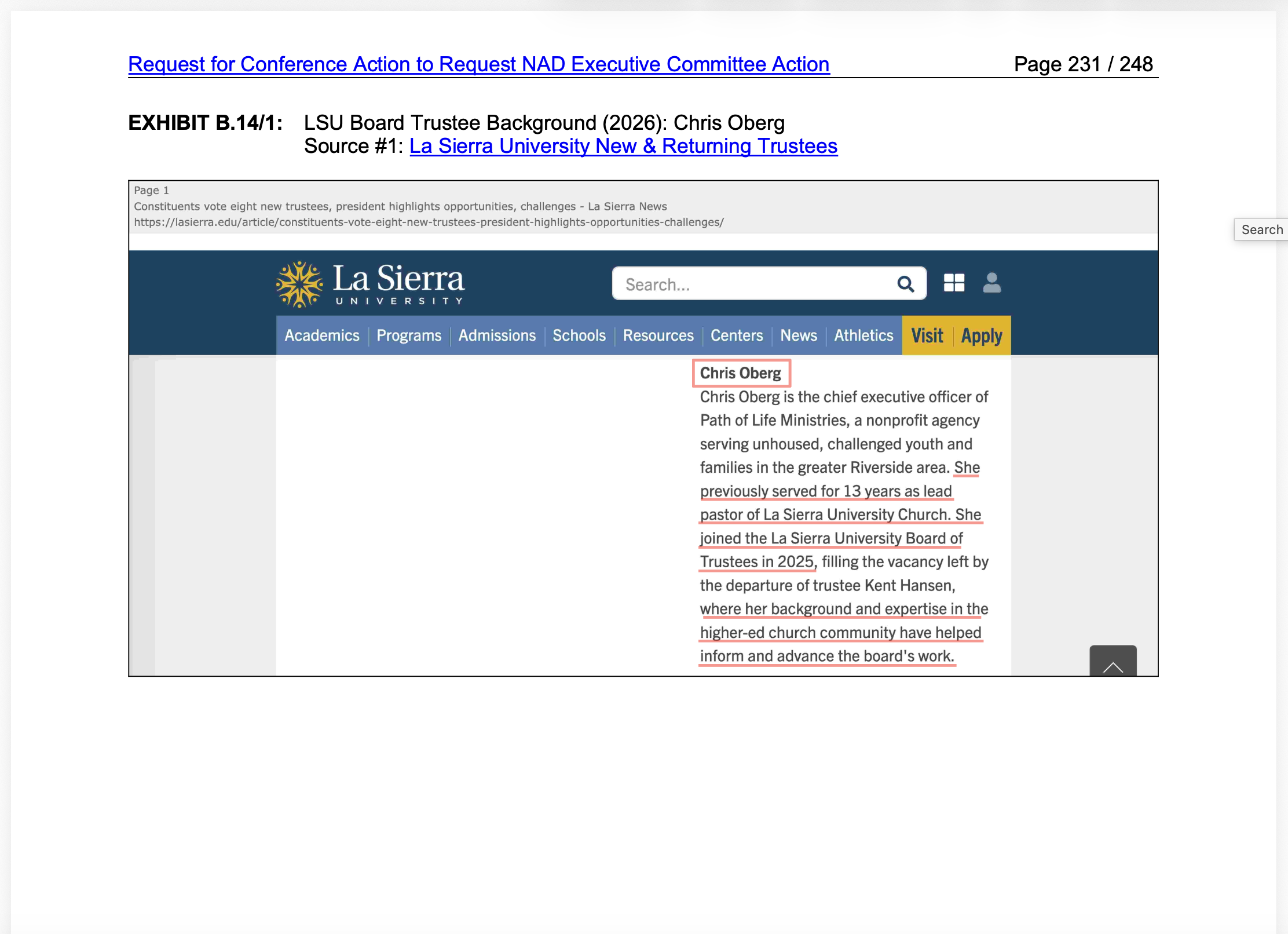
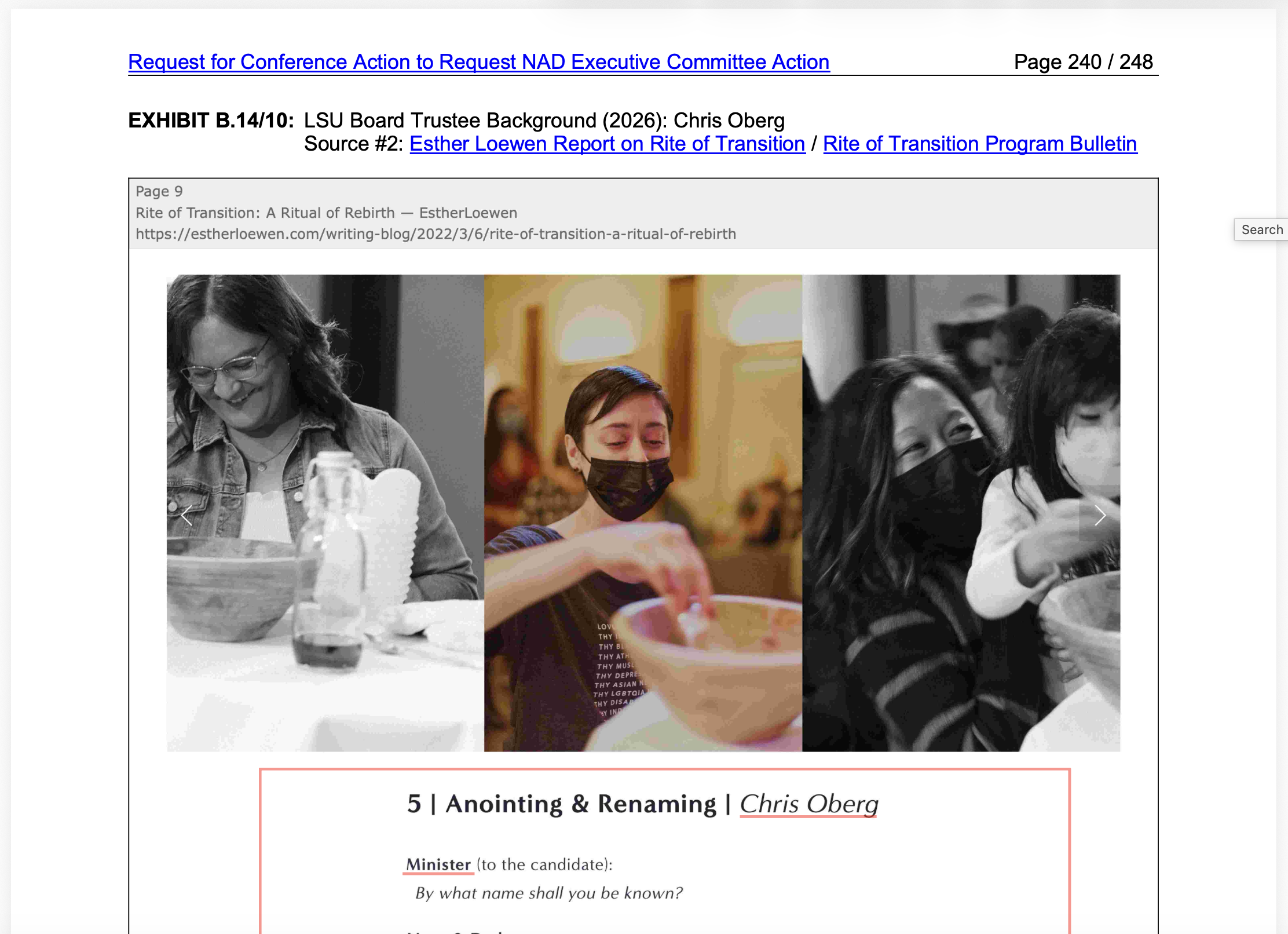
The Coloma submission is 248 pages long, with about 230 pages devoted to publicly documented evidence. It is structured for efficient review: action items first, followed by concise evidence summaries and then the full exhibits. Readers can grasp the major issues quickly, then go directly to the supporting evidence for more detail.
The filing is extensively linked and internally navigable. Readers can move quickly between sections and follow embedded links to underlying documents, institutional pages, reports, and videos, with each video link opening directly to the relevant timestamp.
The evidence should be examined firsthand. Its volume, organization, and direct links to source material make the record substantial and accessible, while the full exhibits reveal the magnitude of the issues. Visual charts on the website also make the concept and process easy to understand at a glance. This submission deserves sustained attention, further examination, and follow-up through articles and podcasts. The complete submission and resources are available at actafile.com/nad.
Now Multiply It
The NAD has 59 conferences and almost 6,000 local churches. Coloma SDA Church is just one church in one conference. If only one church in each conference took the same action, long-standing NAD-wide concerns would begin entering the governance structure across the Division, with Conference Executive Committees formally called by their own constituent churches to consider and act.
Now multiply that further. If several churches within each conference acted, the result could become an NAD-wide pattern of local churches seeking formal accountability through the Church’s own governance structure—with the real prospect of meaningful accountability and genuine change. Every additional church would add another voice, another formal request, and another constituent church formally calling its conference to act.
The Hard Part Is Already Done
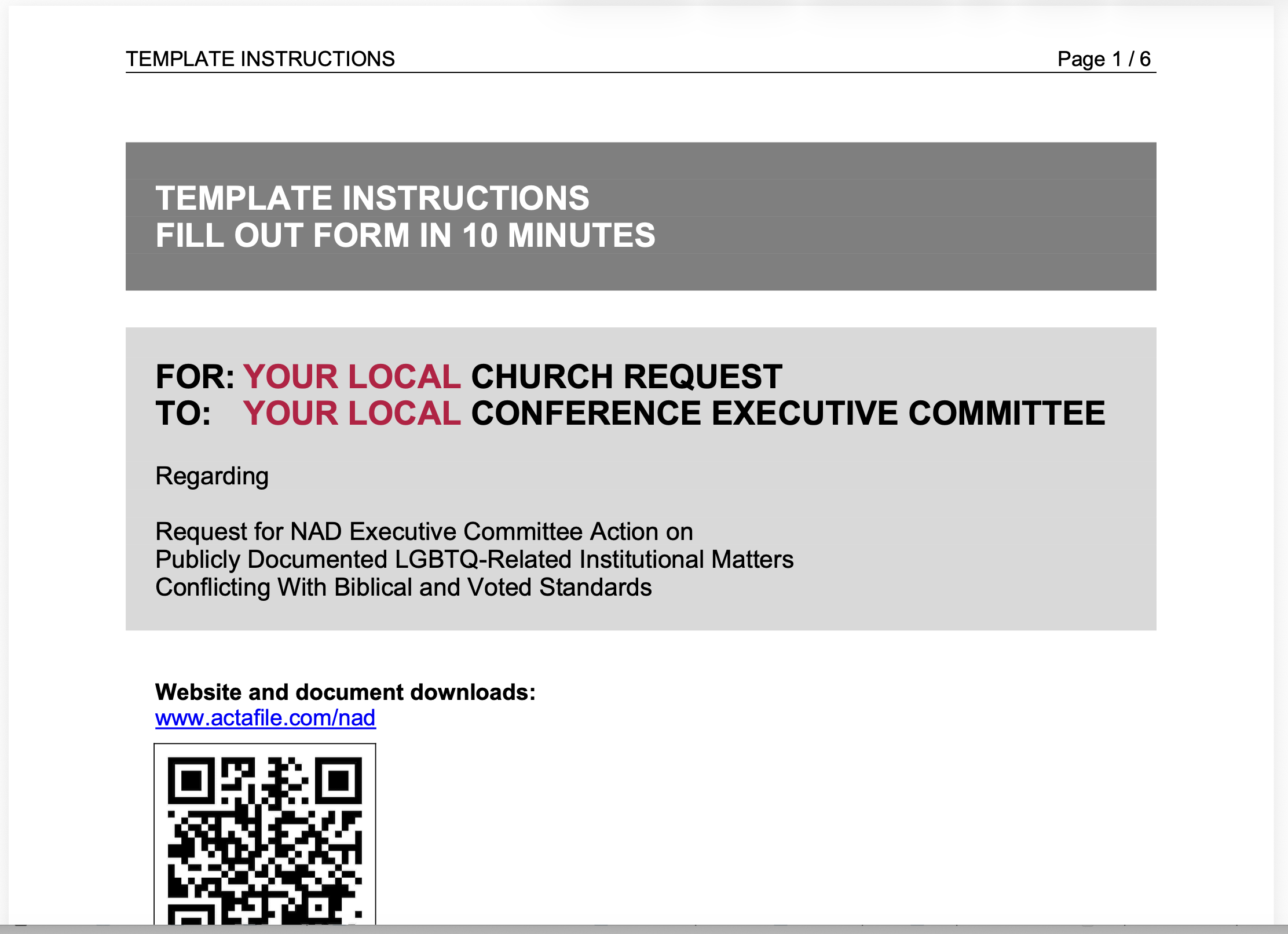
Local churches do not have to start from scratch. Coloma has already created the working model: the complete submission, supporting evidence, governance charts, instructions, and a ready-to-use “Any Church Action Template.” A church can insert its own church and conference names, and thus prepare a fully identical submission to Coloma in about 10 minutes.
The research is done. The template is in place. Other churches can now take the same step, and put the influence of local church action to work through the Church’s own governance structure.
The Decision Is Now With Your Local Church
For years, many Adventists have asked, “What can a local church actually do?” Coloma has now provided a concrete answer: act through the Church’s governance structure, place a formal request before the Conference Executive Committee, and seek action that carries the concern to the NAD.
No outcome is guaranteed. But a practical path to formal accountability now exists for local churches across the NAD. The question is no longer whether a local church can do something. The question is whether yours will. This is not a moment for churches to assume someone else will act.
Read the Coloma submission. Examine the evidence. Download the “Any Church Action Template” and instruction sheet.
FINALLY, one local church has acted. Now let yours be next.
“But I say, walk by the Spirit, and you will not gratify the desires of the flesh” (Galatians 5:16).
