

And they would have, if not for the resistance of the current United States presidential administration. Here’s what happened,
Last month, the United Nations attempted to pass the first ever global carbon tax. It won’t be the last.
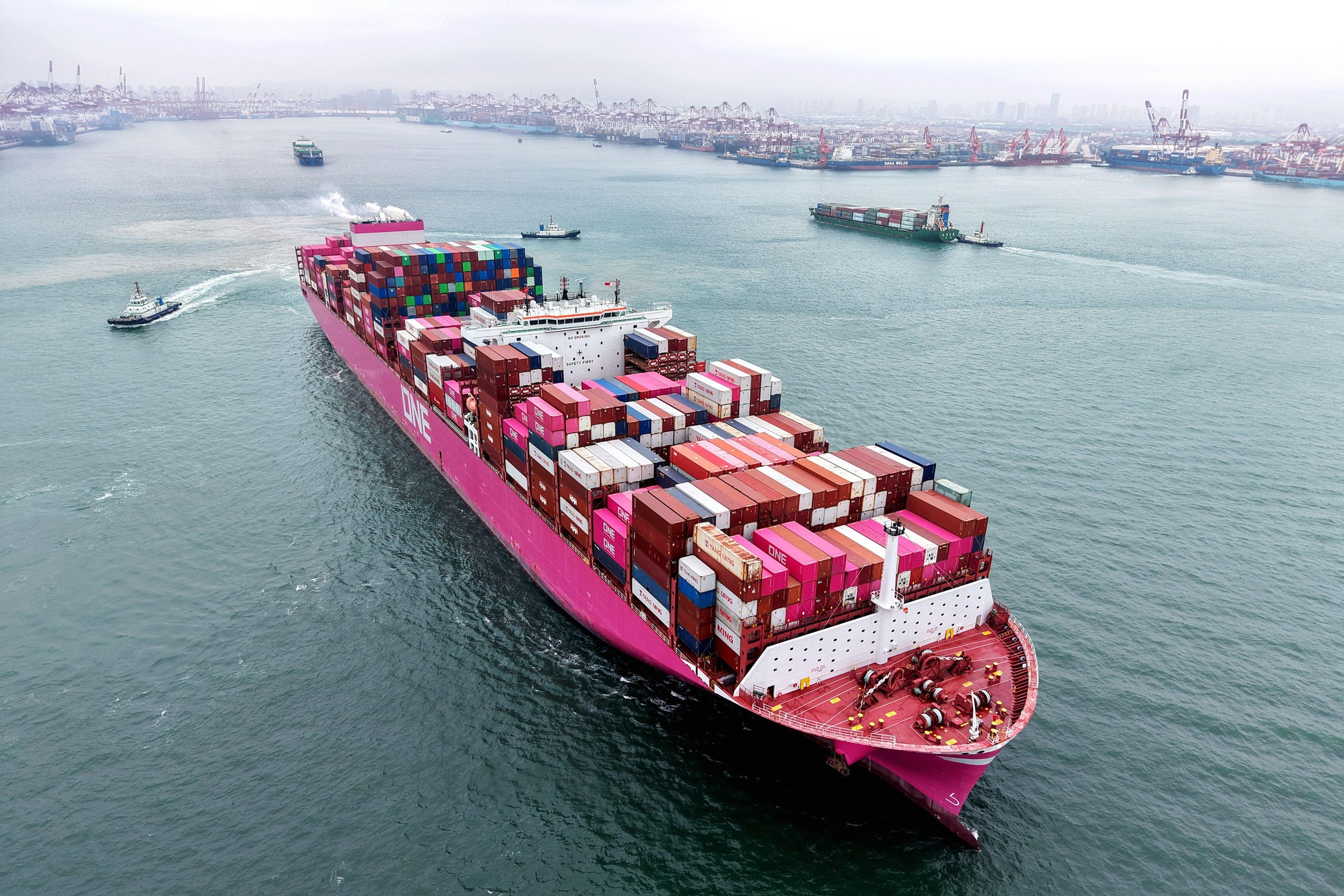
This would have increased the cost of energy, food, and fuel around the world. The International Maritime Organization (IMO), a specialized agency of the United Nations, proposed a global carbon tax on the shipping industry. This agency would have collected the revenue and then distributed it for such things as rewarding “low-emission ships” and for U.N. income redistribution schemes to “mitigate negative [climate] impacts on vulnerable nations.” I wonder if this is how the U.N. seeks to make up for lost USAID revenue.
This tax is especially egregious because it was a violation of the sovereignty of the U.S. and other nations. A U.N. international body would be imposing a tax on Americans, something that appears to be a first. The tax, according to the State Department, would have increased global shipping costs by over ten percent.
It’s also yet another example of liberal Europe and the U.N. trying to dictate the climate policies of other countries and enrich themselves in the process.
It isn’t enough that EU nations have adopted harmful policies that punish energy use and increase prices for their own citizens. They need to make sure other countries hurt themselves too, including developing countries that need fossil fuels to advance the well-being of their citizens.
Fortunately, the Trump administration helped to delay a vote on the IMO tax plan for a year, but it is still looming. A tax delayed is not a tax canceled.
The IMO tax, though, is far from the only effort to impose climate policies on other countries. This past July, the U.N.’s top court, the International Court of Justice, issued a nonbinding advisory opinion that reads more like a climate manifesto than an example of logical legal reasoning. It concluded that member states have a duty to reduce and regulate greenhouse gas emissions.
It also stated the “failure of a State to take appropriate action to protect the climate system from GHG [Greenhouse Gas] emissions — including through fossil fuel production, fossil fuel consumption, the granting of fossil fuel exploration licenses or the provision of fossil fuel subsidies — may constitute an internationally wrongful act. Sin or crime?
As a vote over this global carbon tax approached last month, President Trump himself took to Truth Social, calling the proposal a "global green new scam tax on shipping." His administration released a statement, warning that the U.S. was considering additional tariffs, visa restrictions, additional port fees, and sanctions on officials from countries that voted for this climate tax. They also encouraged other nations to abandon the deal.
The campaign succeeded. Last month, at the tail end of negotiations, Saudi Arabia abruptly called for a vote to adjourn the IMO meeting for one year without making a decision on the net-zero framework. The proposed delay was voted on immediately and passed with 57 countries in favor and 49 against. (Twenty-one countries abstained from the vote.)
Em Fenton, a senior director at Opportunity Green, a U.K.-based radical environmentalist group said "The outcome in October is a devastating blow for climate multilateralism." Good.
I assume that the General Conference and ADCOM—who tend to side with the United Nations on global warming/climate change alarmism—are similarly disappointed.
Good.
****
“As long as the earth remains, there will be planting and harvest, cold and heat, summer and winter, day and night” (Genesis 8:22).
