
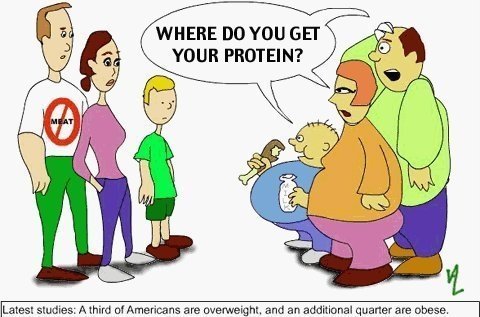
For decades, the United States has proudly held the gold medal in developed-world obesity.
We hit a peak of 39.9% of adults in 2022—almost four out of every ten of us carrying around enough extra padding to qualify as our own zip code. Surgeon General David Satcher was waving the red flag way back in 2001, while Americans were supersizing their cokes and their bodies.
Satcher warned that weight-related diseases had “reached epidemic proportions” and were claiming nearly 300,000 American lives a year. And it just kept getting worse for us.
Fast-forward a quarter-century and… wait, is that a tiny bit of good news I see? A fresh Gallup survey says the tide might finally be turning. The adult obesity rate has dropped to 36.4% this year—the first “statistically meaningful decline” in decades. That’s good news. Kind of.. But what’s driving the shrink?
A recent survey indicates the tide may be shifting amid a new high in the use of prescription weight loss drugs, or GLP-1s. Those little miracle pens that make your appetite vanish faster than free pizza at a staff meeting. Eleven percent of U.S. adults are currently on the stuff (up from a measly 3% just two years ago). Fifteen percent have tried it at some point.
Three-quarters of users swear the medicine is “effective” or “extremely effective.” Ozempic, Wegovy, and their brand-name cousins still dominate at 68% of current users, but the cheaper compounded or custom-mixed versions are climbing fast—about 19% of the market—and people are switching to them in droves because brand-name stickers can still make your wallet weep.
So here we are: Americans are still too fat, but for the first time in living memory the trend line is pointing the right way.
The real story: Willpower is not working, but the pens are and the numbers are falling, and if the compounded versions keep spreading, maybe we can finally stop using “XXL” as the default size at every clothing store.
Progress, friends. Slightly embarrassing, but still progress.
****
