

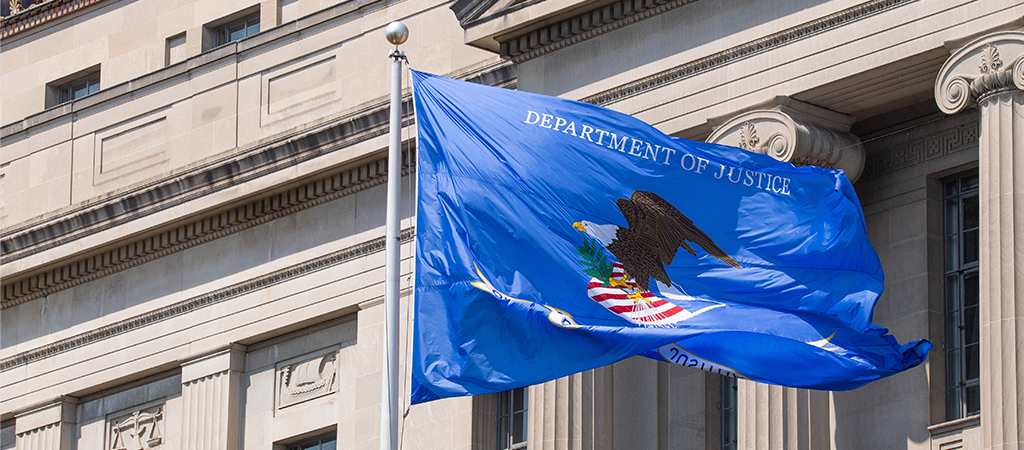
Acting Attorney General Todd Blanche issued updated Department of Justice guidance on federal religious liberty protections (July 23, 2026).
This is the first major update to the DOJ’s Religious Liberty Guidelines since 2017. It incorporates recent U.S. Supreme Court decisions that have expanded protections under the First Amendment, the Religious Freedom Restoration Act (RFRA) of 1993, Title VII of the Civil Rights Act, and related laws.
Main Points
Religious exercise covers not only belief and worship but also religious conduct in daily life, which federal agencies must reasonably accommodate when practicable and allowed by law.
Federal programs, employment, contracting, rulemaking, and enforcement must comply with constitutional and statutory religious liberty protections.
Agencies are directed to proactively evaluate religious-liberty impacts of rules and policies, designate officers to review proposals, consider public comments on these issues, and ensure enforcement respects RFRA and similar laws.
Key Updates Highlighted
Integration of recent SCOTUS precedent on First Amendment scope, RFRA’s broad protections, and equal treatment of religious organizations in government programs.
Emphasis on parental rights to direct the religious upbringing of their children.
Reaffirmation of church autonomy (barring government interference in internal religious governance, including employment decisions).
Clarified workplace accommodations for religious expression and practice (including scheduling).
Safeguards so religious organizations can compete equally for federal contracts and grants without having to relinquish their religious character or hiring rights; participation in federal programs cannot be conditioned on abandoning religious identity.
This update came shortly after—and in line with—a key recommendation from the Religious Liberty Commission.
The Office of Legal Policy will continue helping agencies ensure compliance. The full updated guidance is linked in the press release.
Observations
We like the affirmation of parental rights and authority. Blue states like California Washington, Colorado, and Illinois have enacted or enforced state-level policies that limit parental notification, involvement, or authority—particularly around minors’ gender identity in schools, social transitions, and related medical/mental health decisions. This DOJ guideline affirms a constitutional (and dare we say, biblical) right for parents to oversee the religious upbringing of their children. This was precisely one of the founder’s intentions for America.
The guidance highlights constitutional protections that prevent government interference in internal religious governance, including employment. This is a good thing. Our job as believers is to preach the (everlasting) gospel, the government’s job is to get out of our way and let us do it.
****
